What you'll see in the tide pools
The animals the parks and agencies name for the spots on this site, described from NPS, NOAA, state and university sources. Each spot page shows only the animals its managing agency lists for it.
In the tide pools
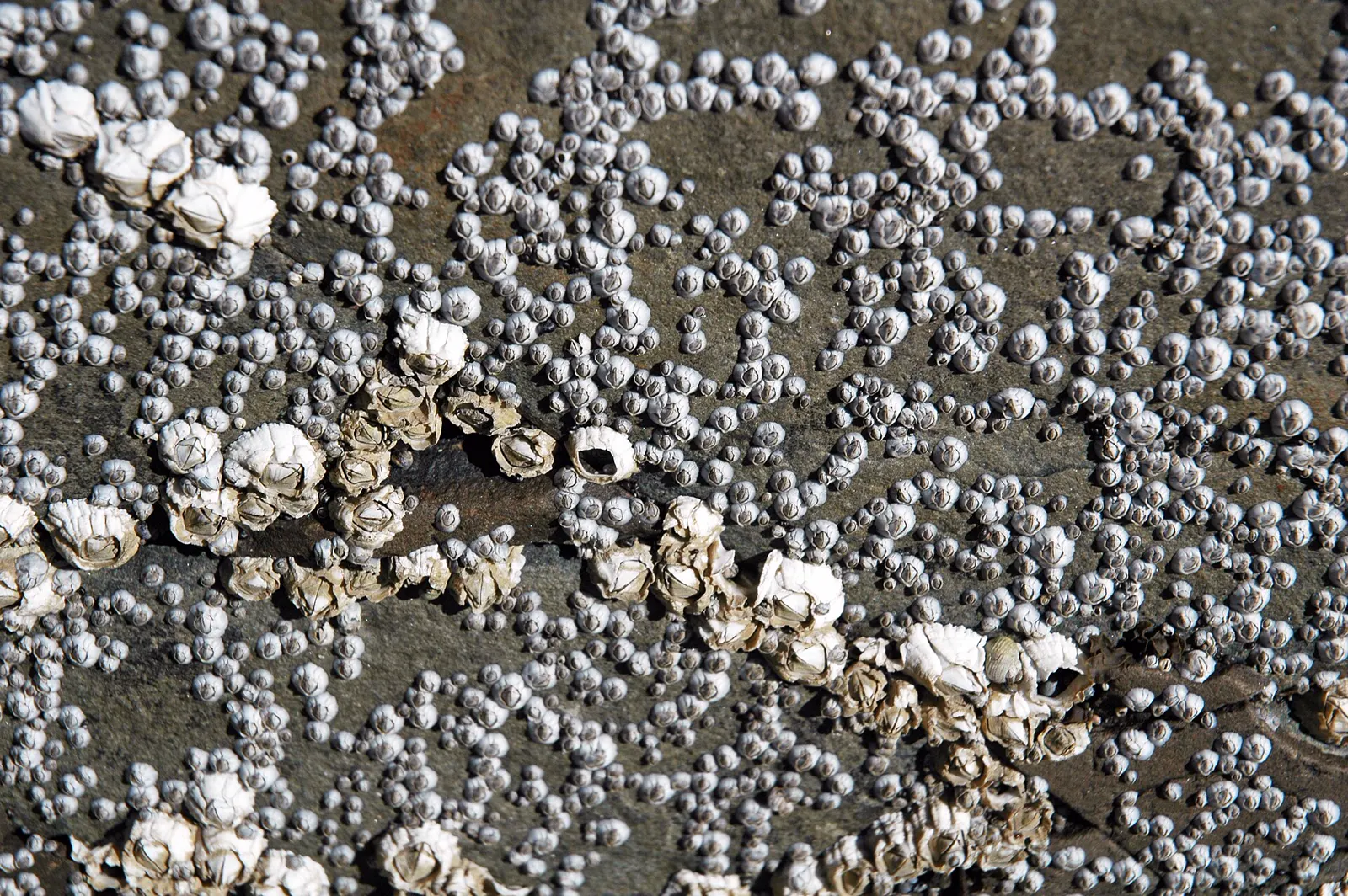
Barnacles live inside volcano-shaped shells cemented to the rock. Nothing hangs on like a barnacle (NPS Acadia). They feed by reaching shrimp-like legs out of the shell to catch tiny plants and animals floating in the water (NPS Acadia).
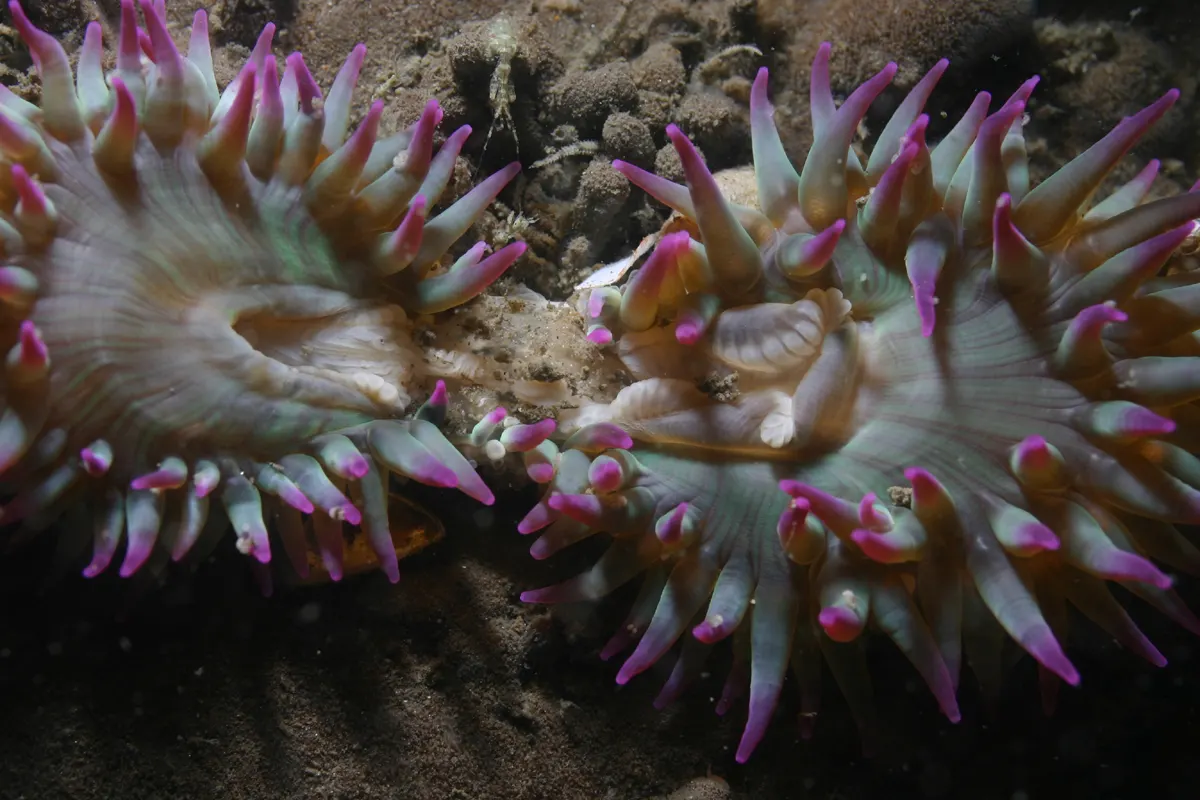
Anthopleura elegantissima
The aggregating anemone grows in dense clusters of clones in the middle intertidal, especially where there is sand. Unlike the giant green anemone, which usually lives alone, it lives in colonies of many individuals.
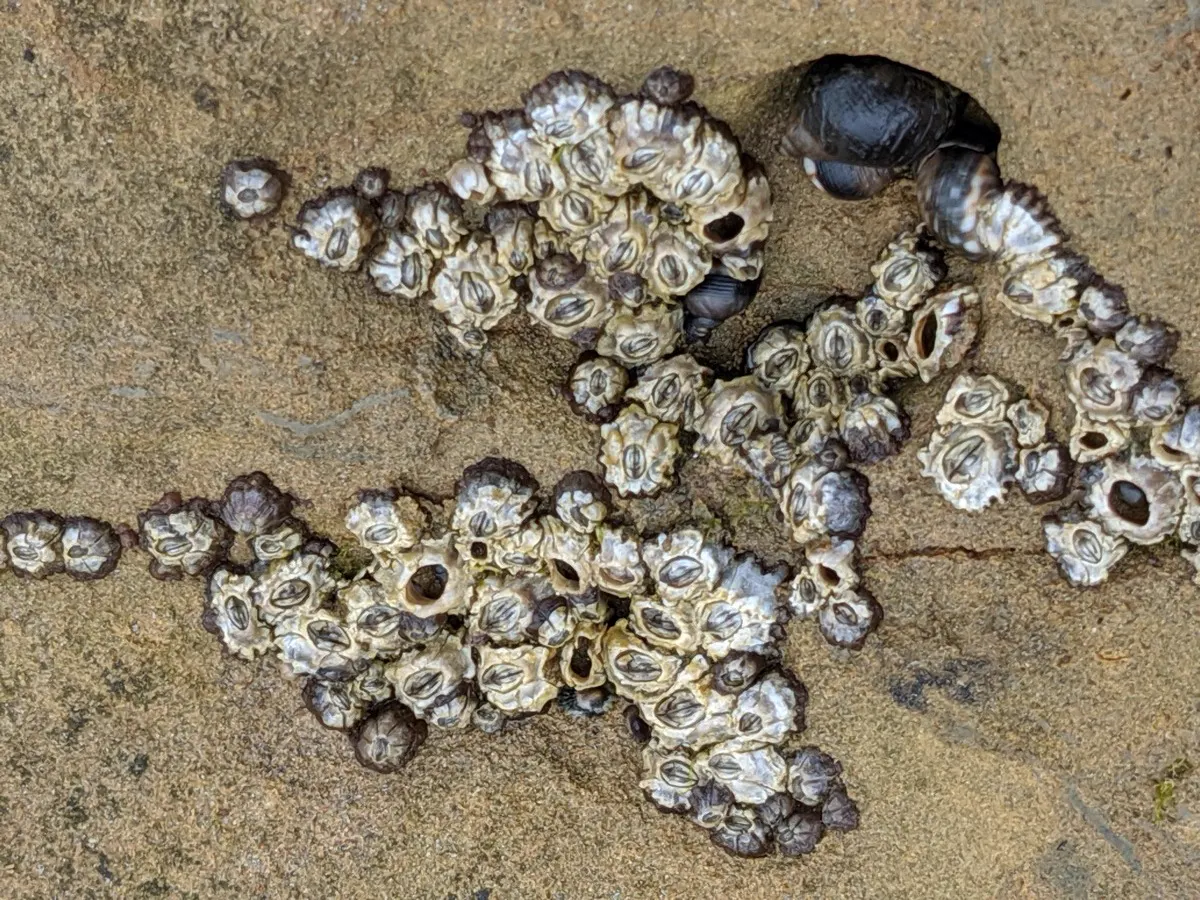
Barnacles are relatives of crabs and shrimp that cluster on surfaces at every level of the intertidal zone. They attach head-first and use their feathery legs to take in oxygen and net food floating past.
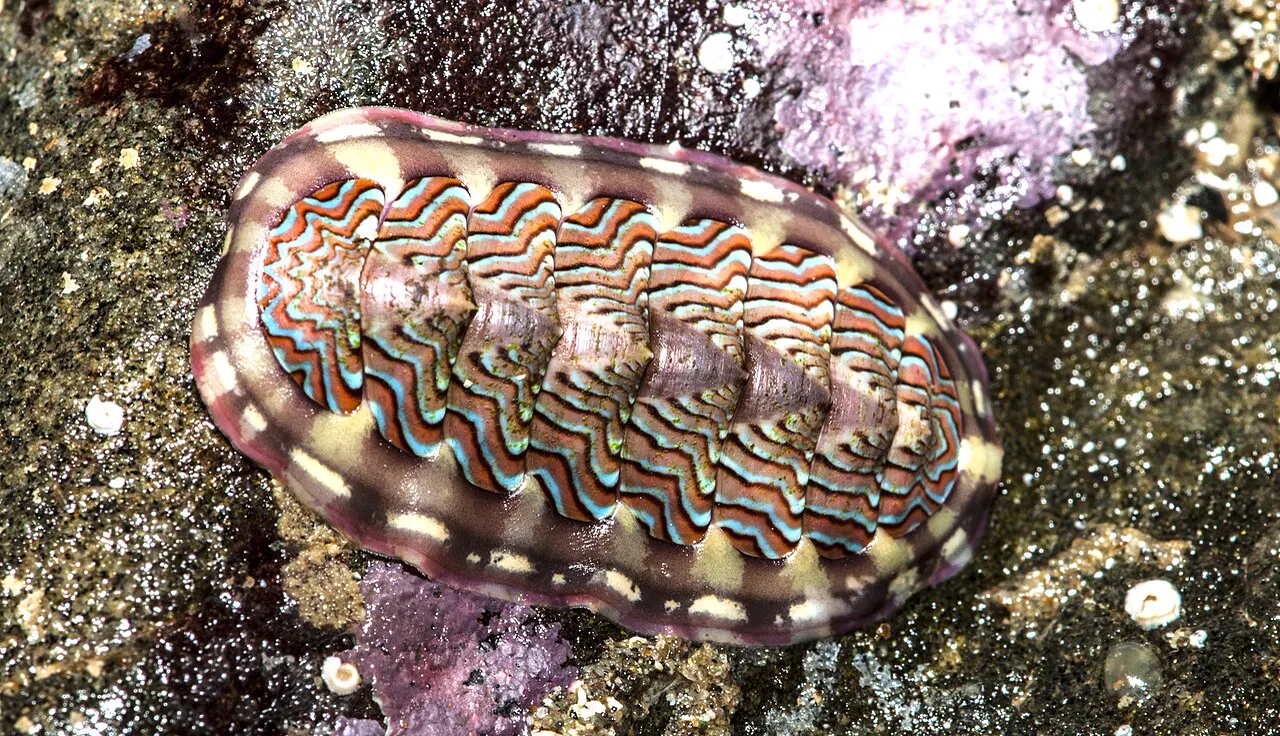
Chitons are oval mollusks with flattened bodies and eight plates along their backs. They feed when the tide is high, scraping algae, bacteria and diatoms off the rocks.
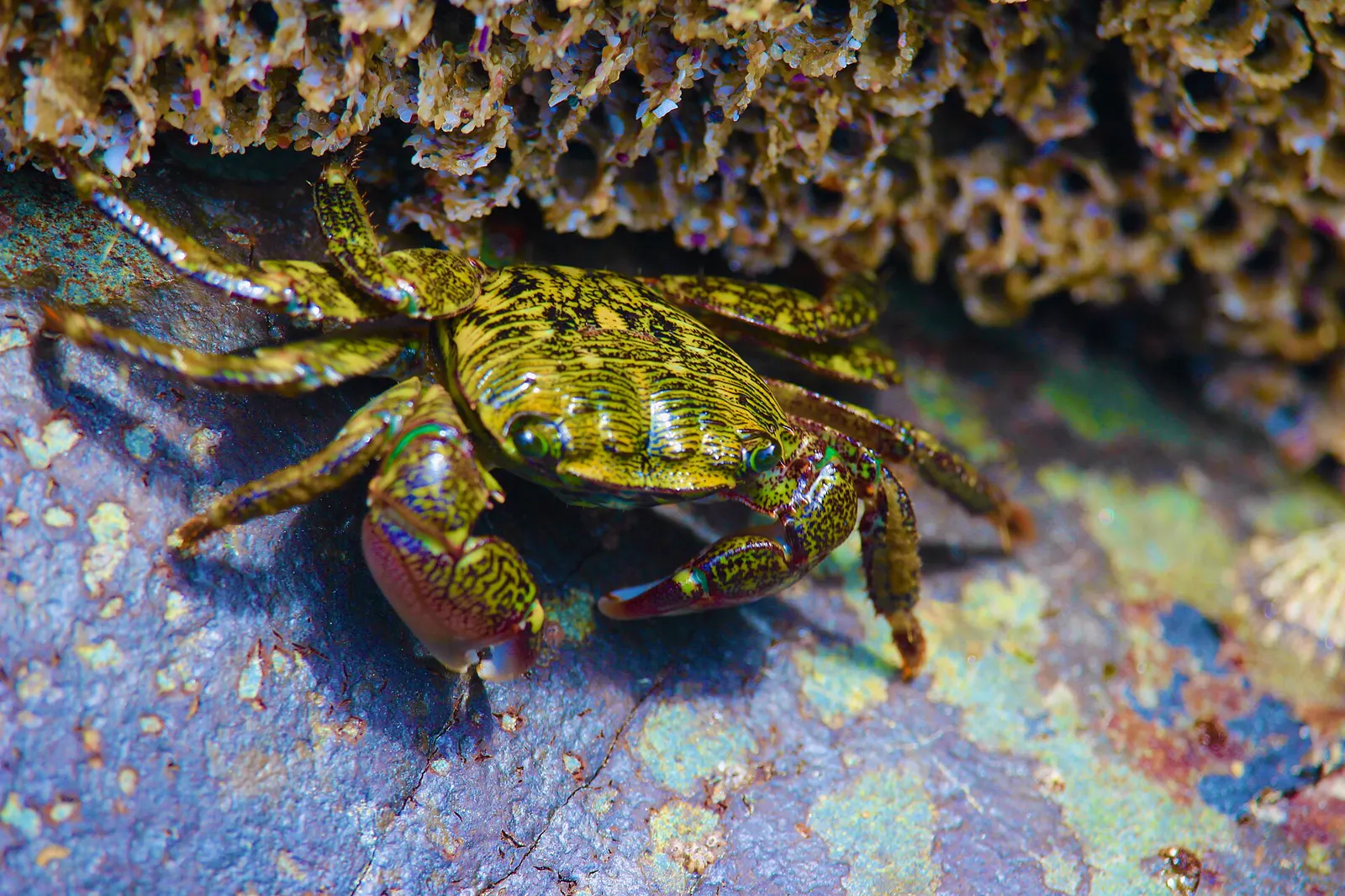
Crabs live even in the high, splash zone of the tidepools, alongside barnacles, limpets, chitons and mussels. The shore crab is commonly found in rock crevices in the mid to high intertidal.
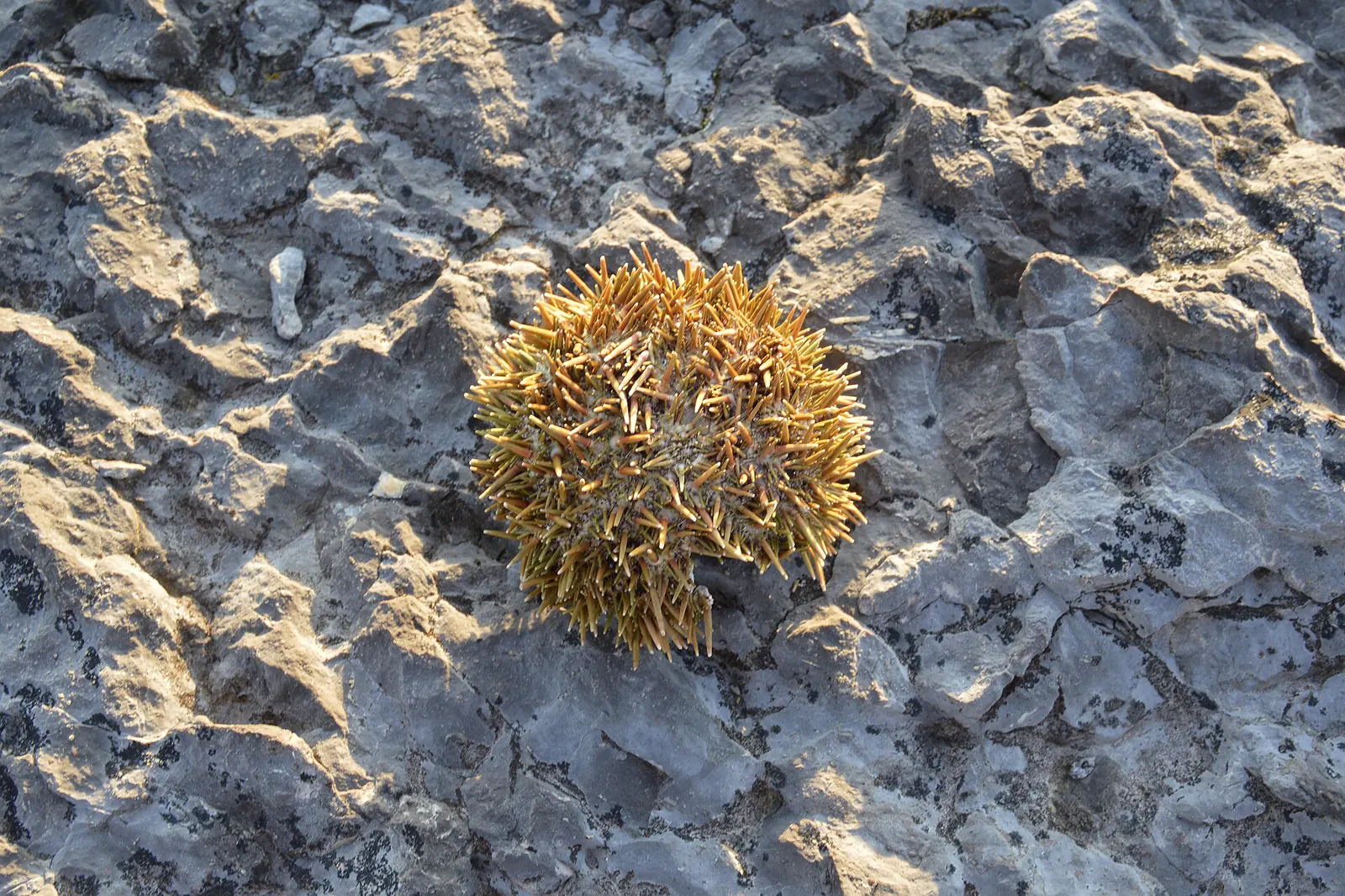
Strongylocentrotus droebachiensis
Green sea urchins are echinoderms, relatives of sea stars and sea cucumbers, recognizable by their short, dense spines (Maine Sea Grant). At Acadia's Ship Harbor, NPS says patient visitors might be lucky enough to find green sea urchins.
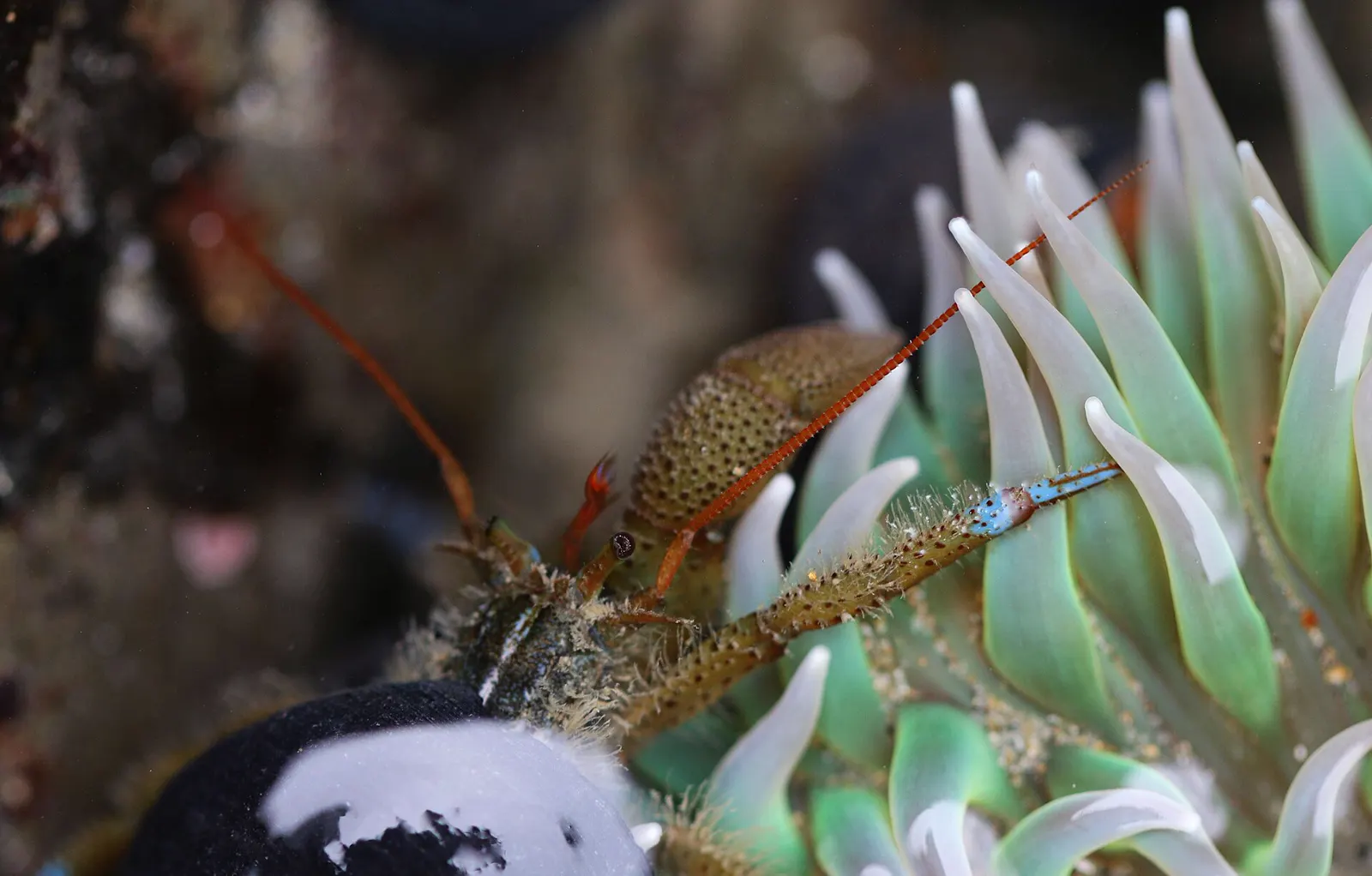
Hermit crabs are among the animals visitors may see in the rocky intertidal at Cabrillo National Monument. Empty Tegula (black turban snail) shells are a favourite home for hermit crabs.
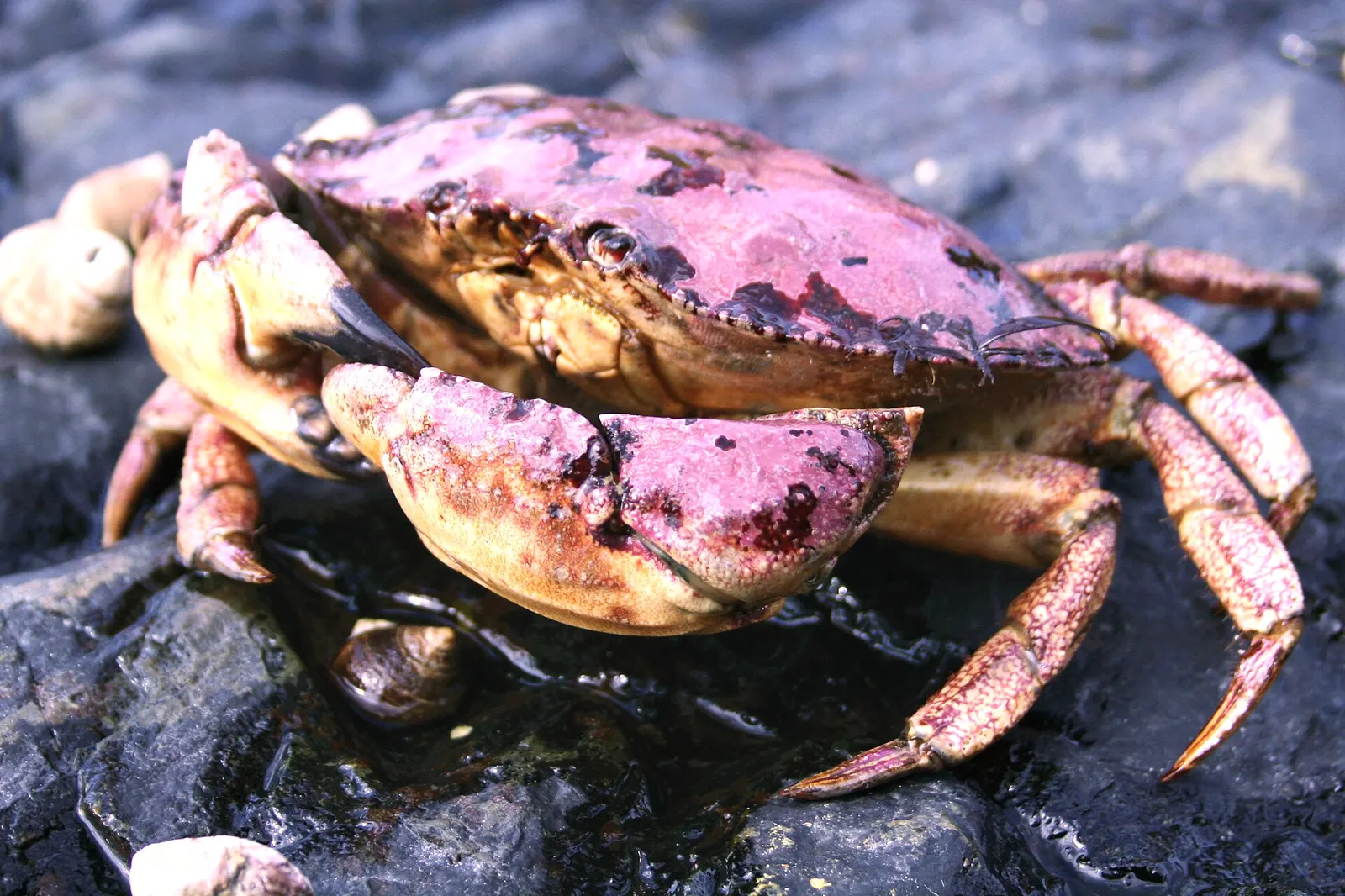
Cancer borealis
Jonah crabs are one of the larger species you may see in Acadia's tidepools, and are native to North America's east coast (NPS). They have a round, reddish-brown shell with rough-edged teeth and small yellow spots, and large claws with dark brown to black tips (NOAA).
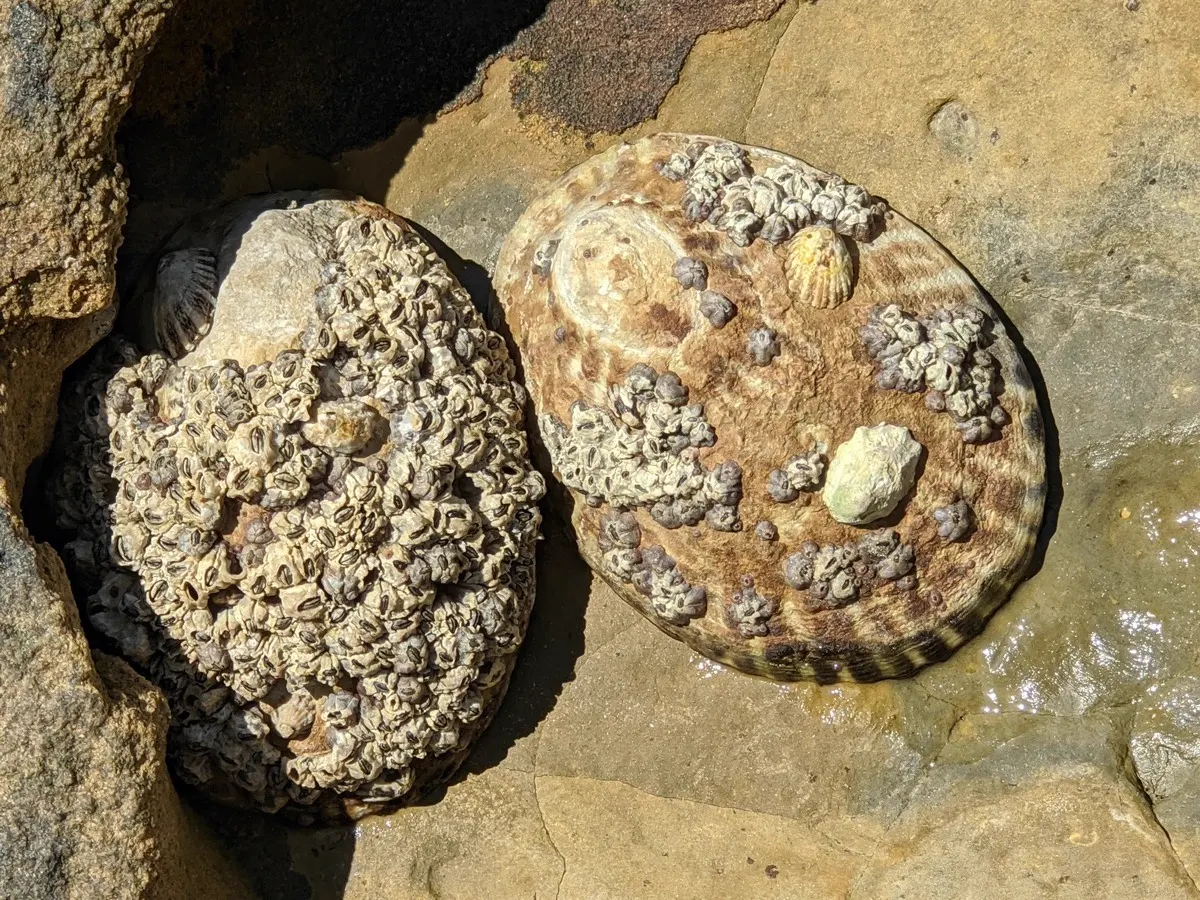
Limpets have small, cone-shaped shells and live on rocks throughout the intertidal zone. Their shells are not coiled, but they are closely related to snails. The owl limpet is the largest true limpet on the Pacific coast, growing up to 4 inches.
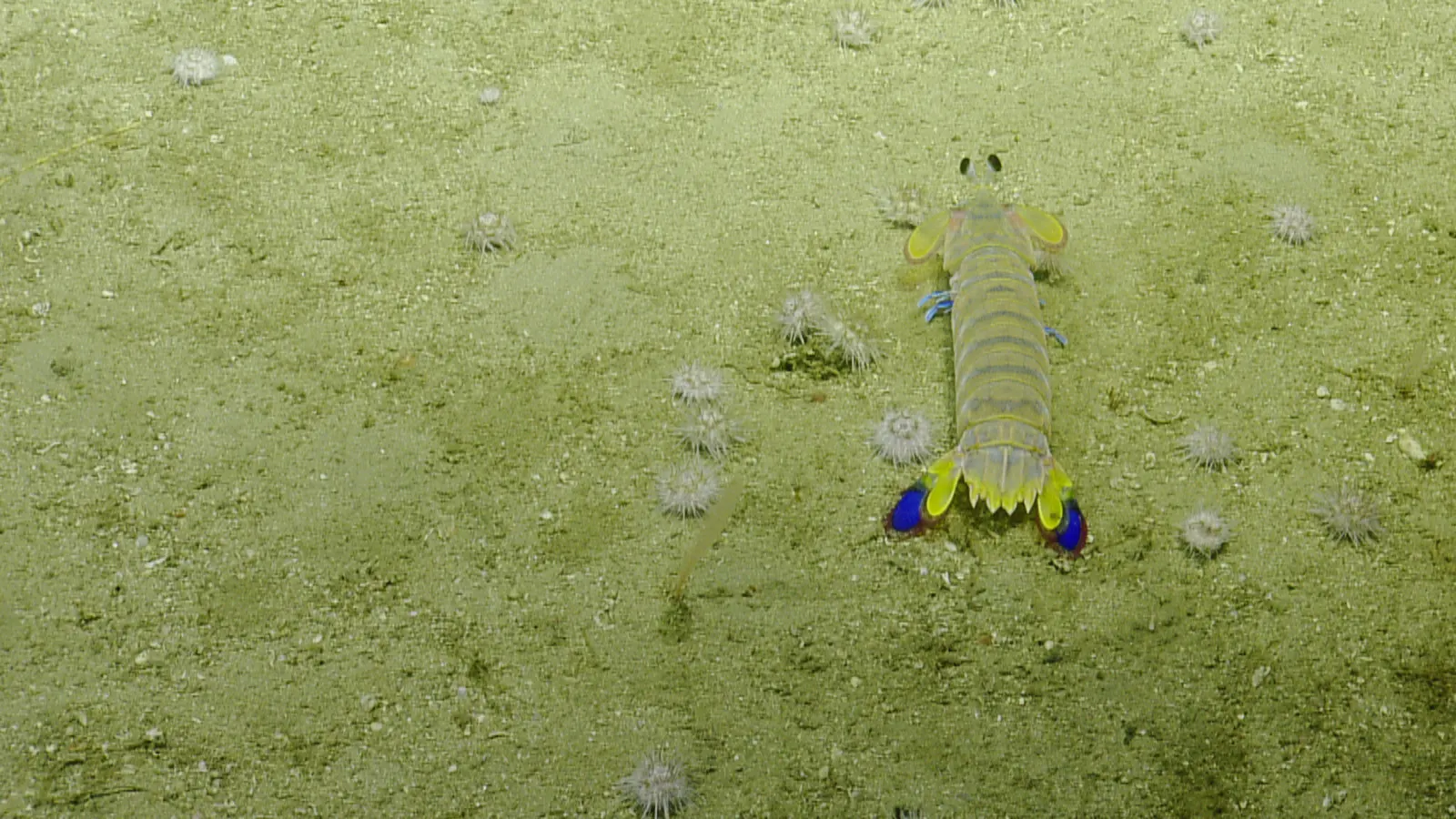
CDFW lists mantis shrimp among the invertebrates of the South La Jolla marine protected areas. Mantis shrimp burrow in holes and passageways on the seafloor or hide among rocks.
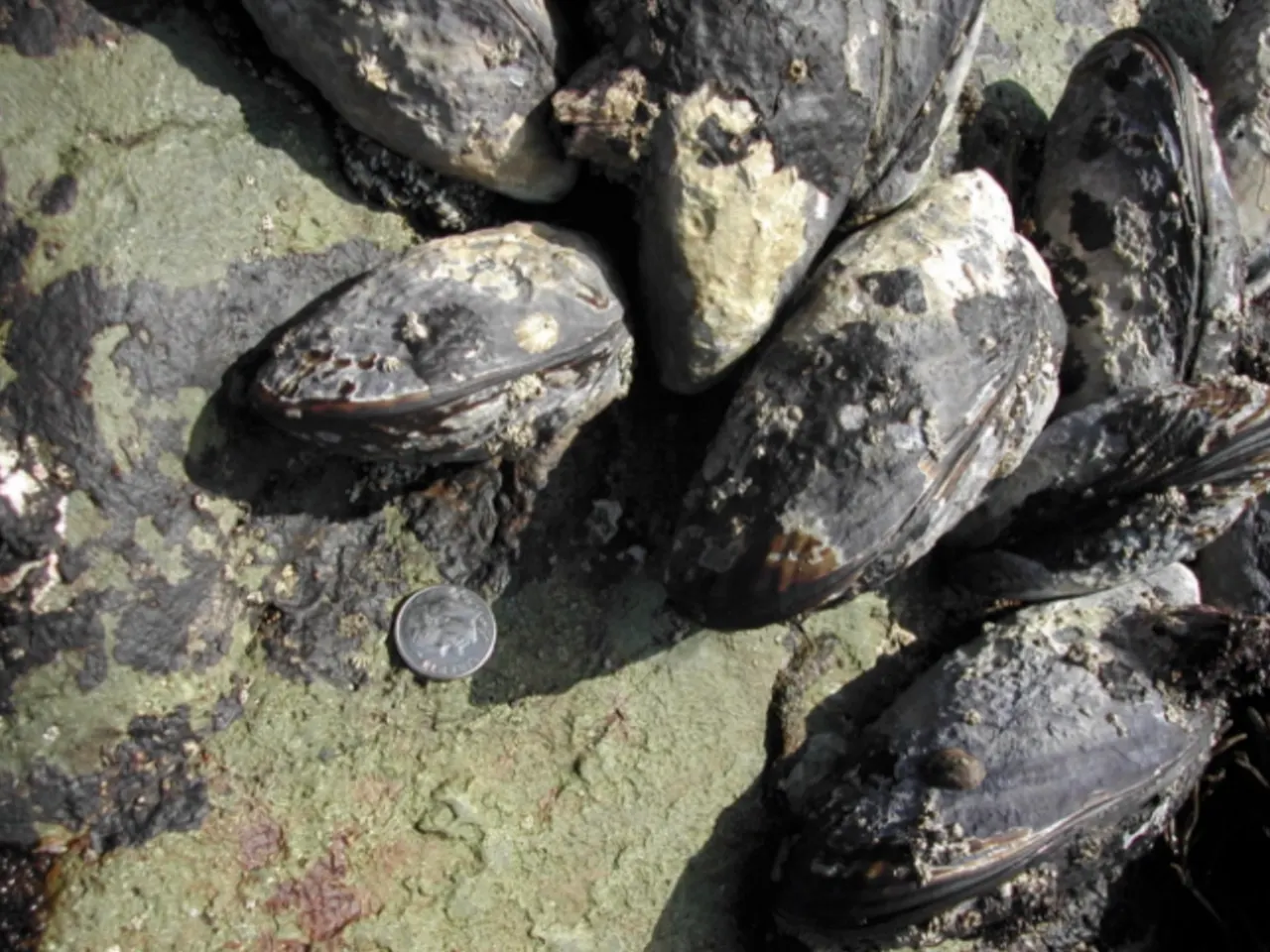
California mussels grow in beds held firmly to the rocks by tough strands. Their shells are tear-shaped and dark blue-black. They are commonly 3 to 5 inches long and open at high tide to filter plankton from the water.
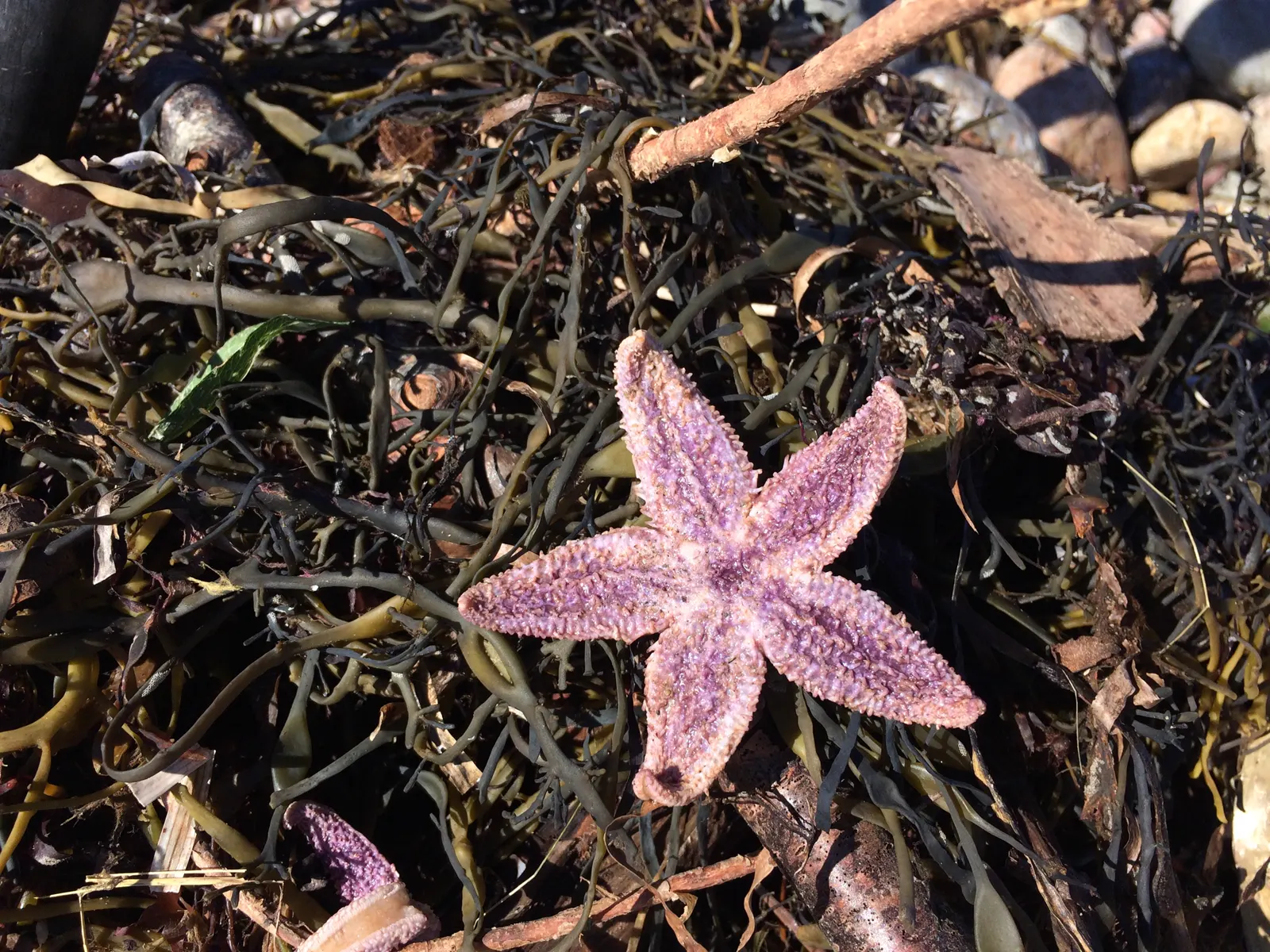
Asterias rubens
The northern sea star lives in Acadia's lower intertidal zone, on rocks and in tidepools. Higher up, it would dry out in the sun at low tide (NPS). It eats mussels, clams and other bivalves, barnacles and sea snails, prying shells open with its tube feet (NPS).
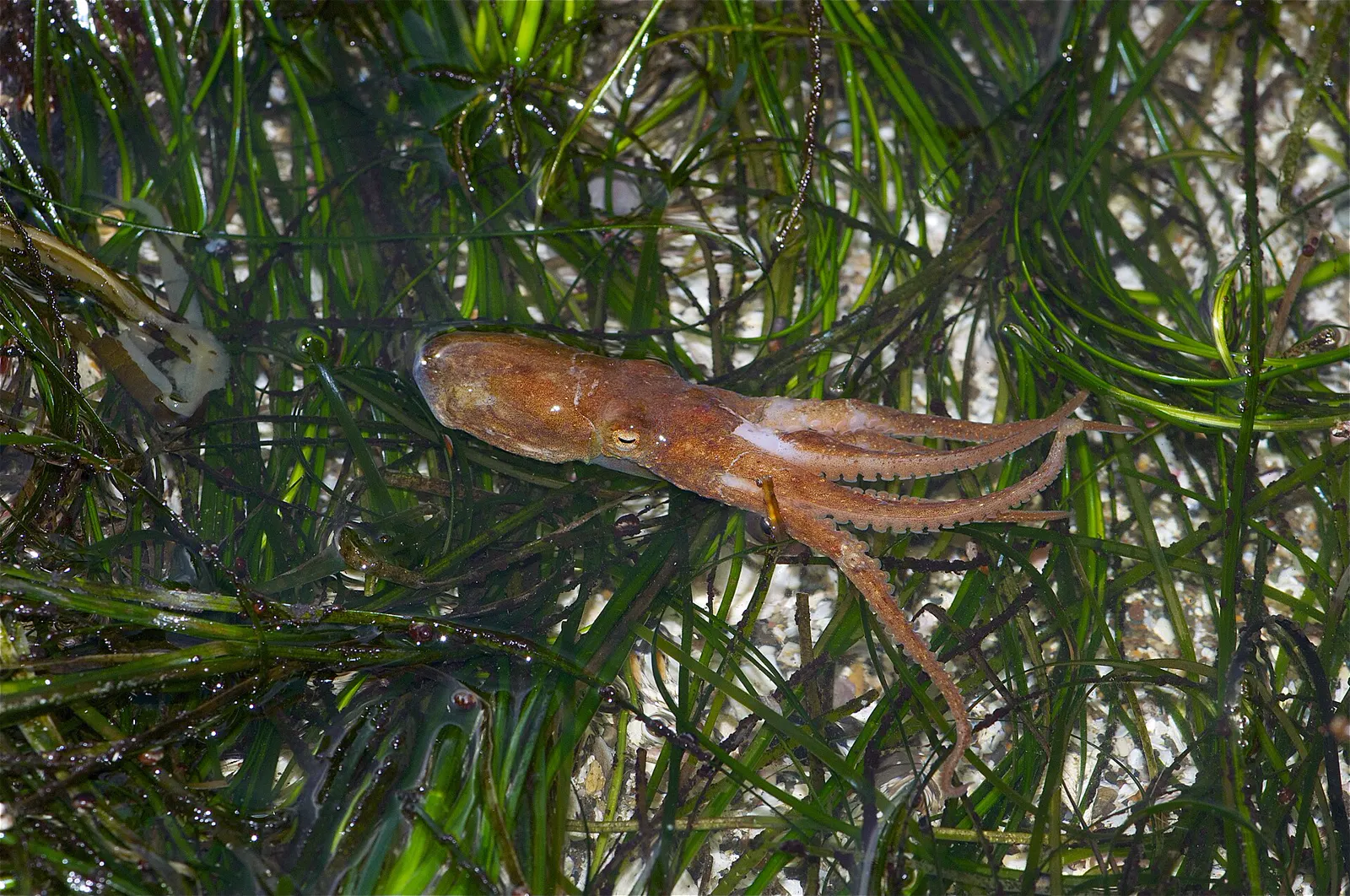
Octopuses are among the animals found in the low zone of the tidepools at Cabrillo National Monument. Octopuses are secretive and hide in holes or crevices.
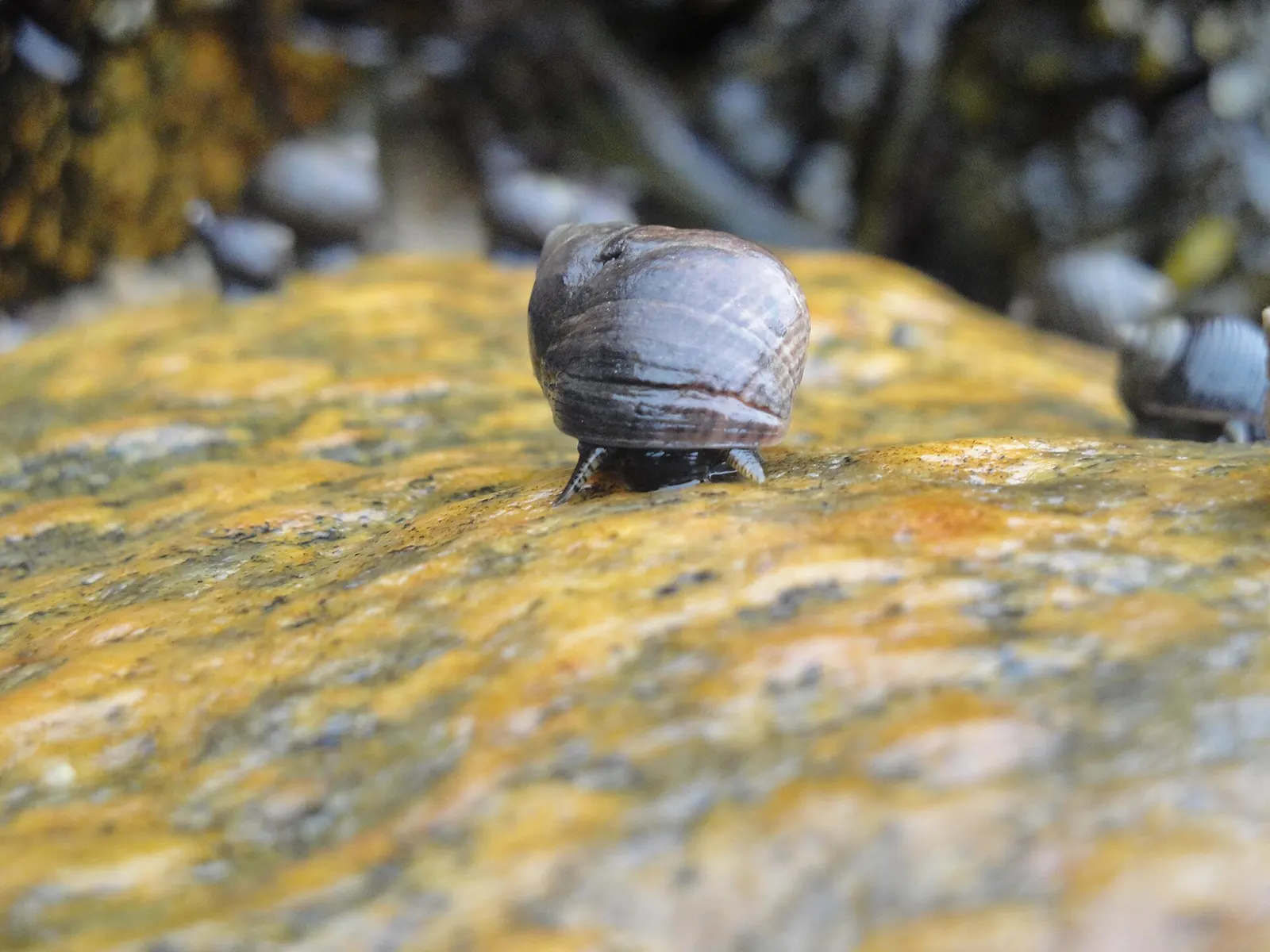
Sea snails live inside a single coiled shell. In Acadia, the common periwinkle is an abundant one, varying in color, with a teardrop-shaped opening (NPS). Periwinkles are plant-eating snails that graze on algae growing on rocks and seaweed in the intertidal zone (Maine Sea Grant).
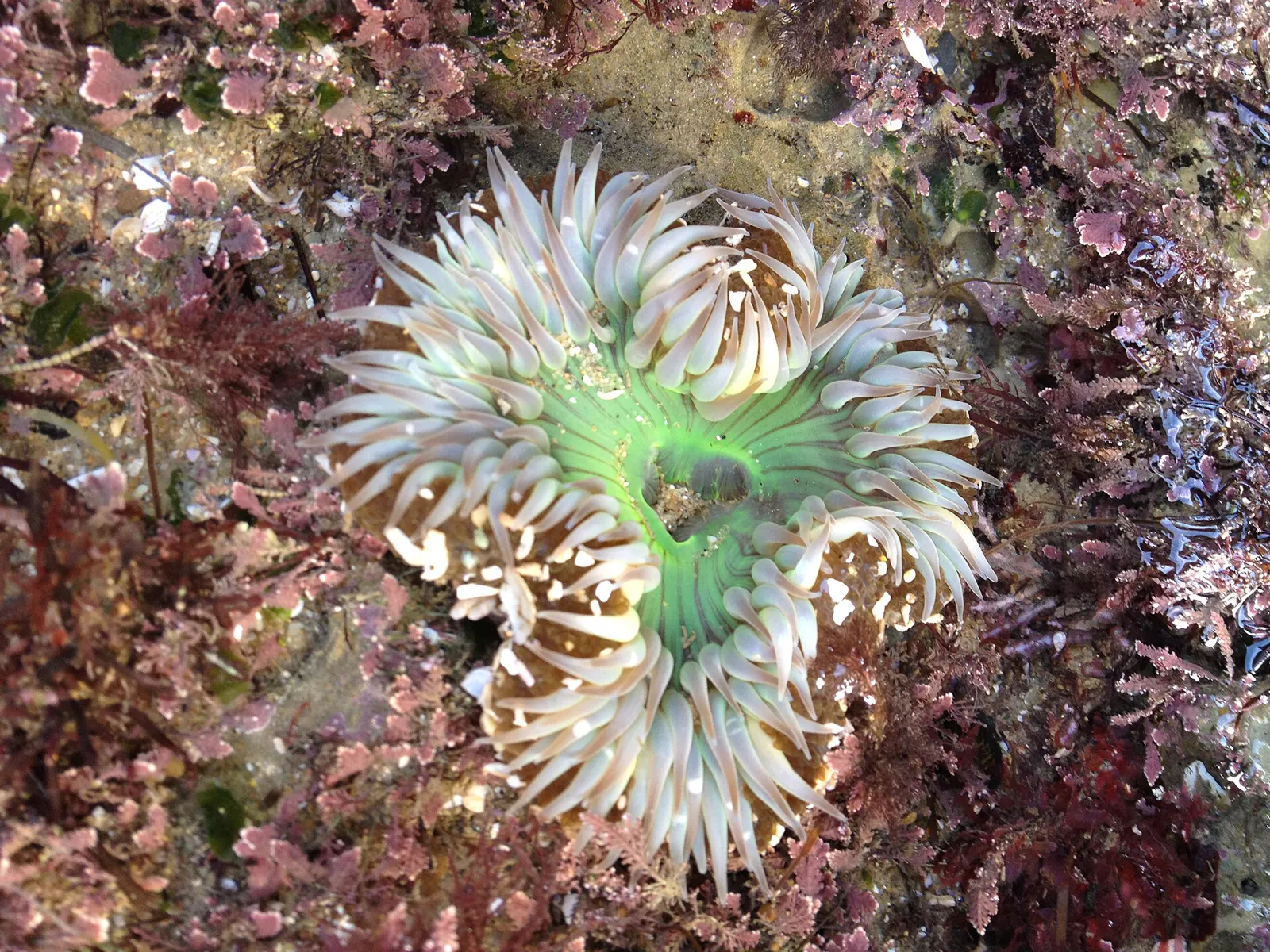
The giant green anemone and the slightly smaller aggregating anemone are both common in tidepools. Anemones have no hard shell. Their soft, flexible bodies bend with the moving water. They catch prey with stinging cells called nematocysts.
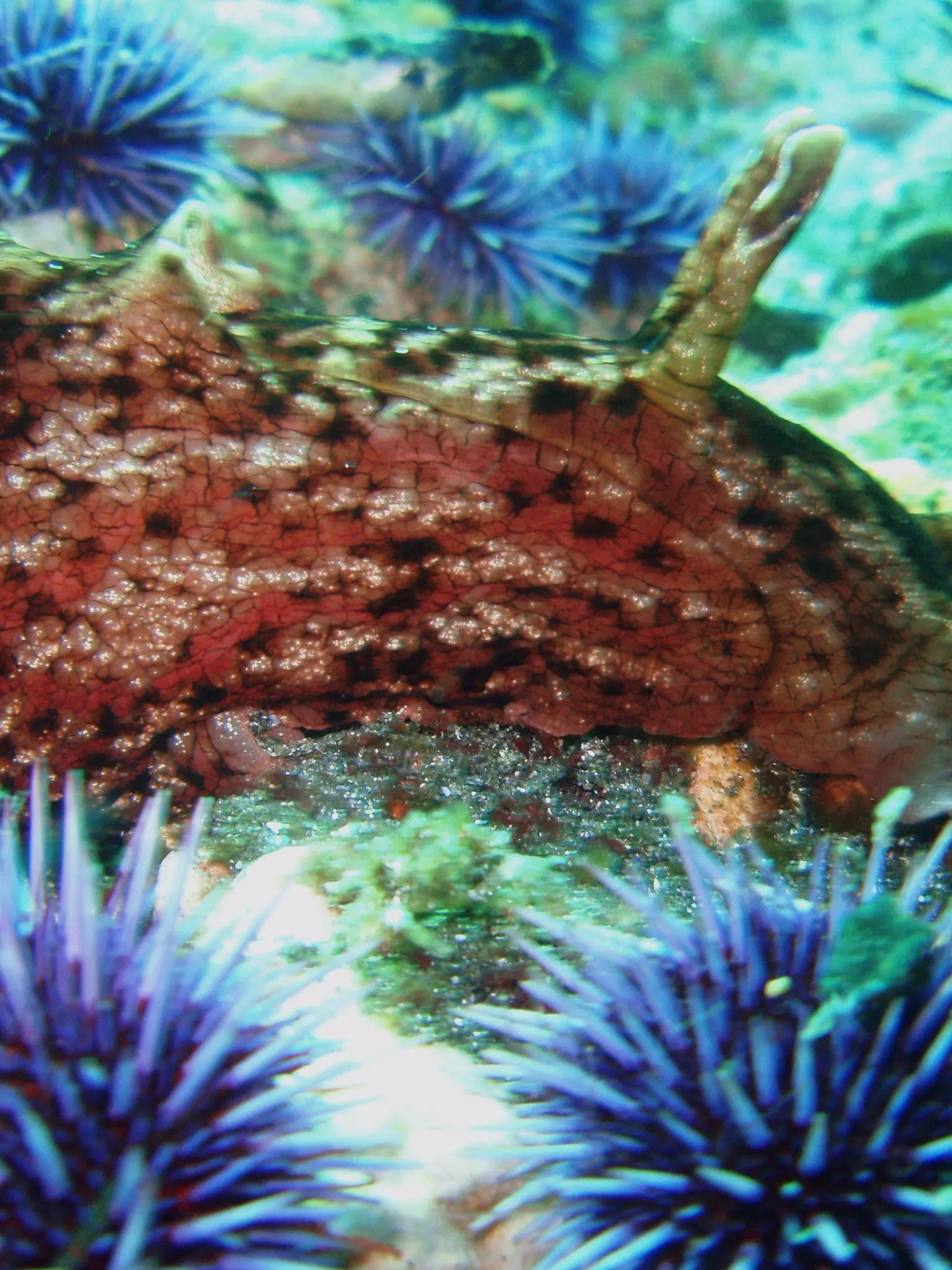
Sea hares are soft-bodied sea slugs. The California sea hare's skin ranges from reddish brown to greenish grey. They live in the low intertidal zone, which is uncovered only during the lowest tides.
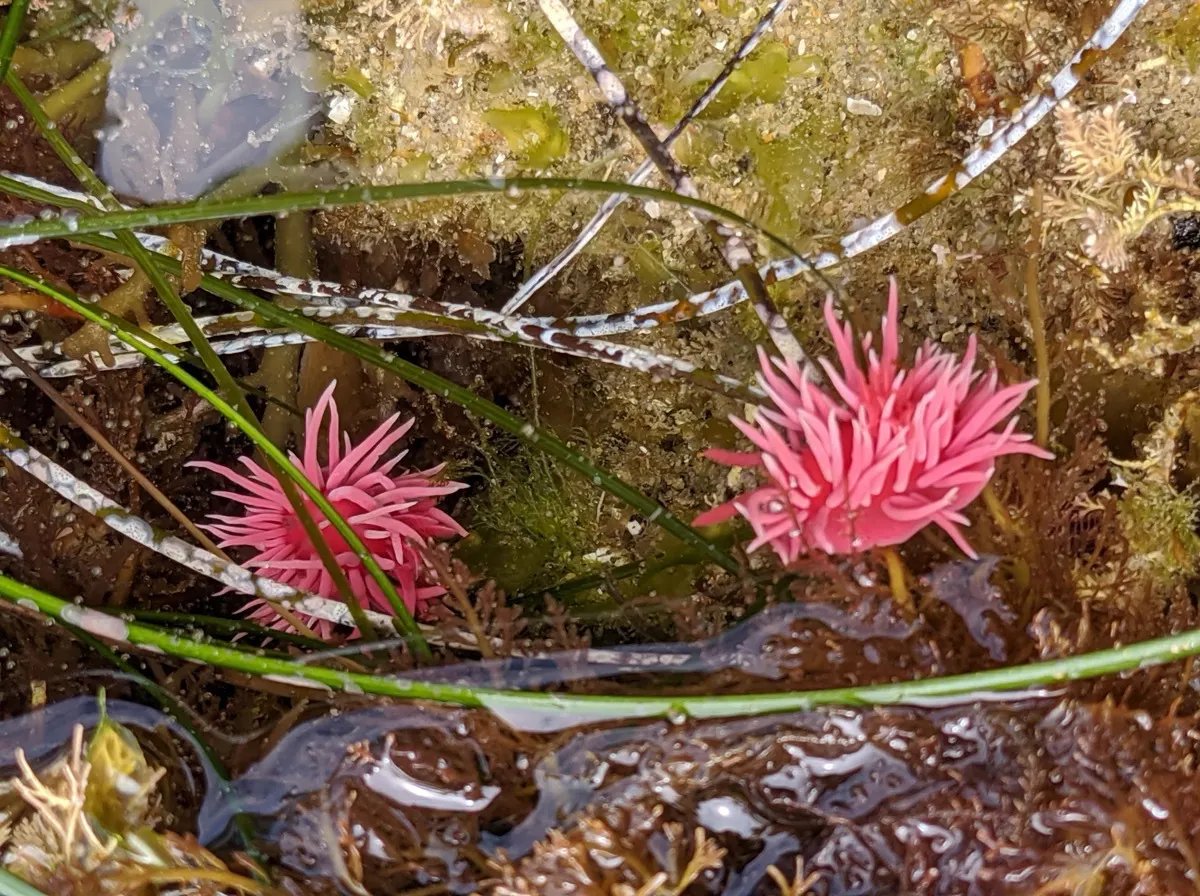
Nudibranchs, sometimes called sea slugs, are among the most eye-catching animals in a tidepool. They live in the low intertidal zone, which is uncovered only during the lowest tides.
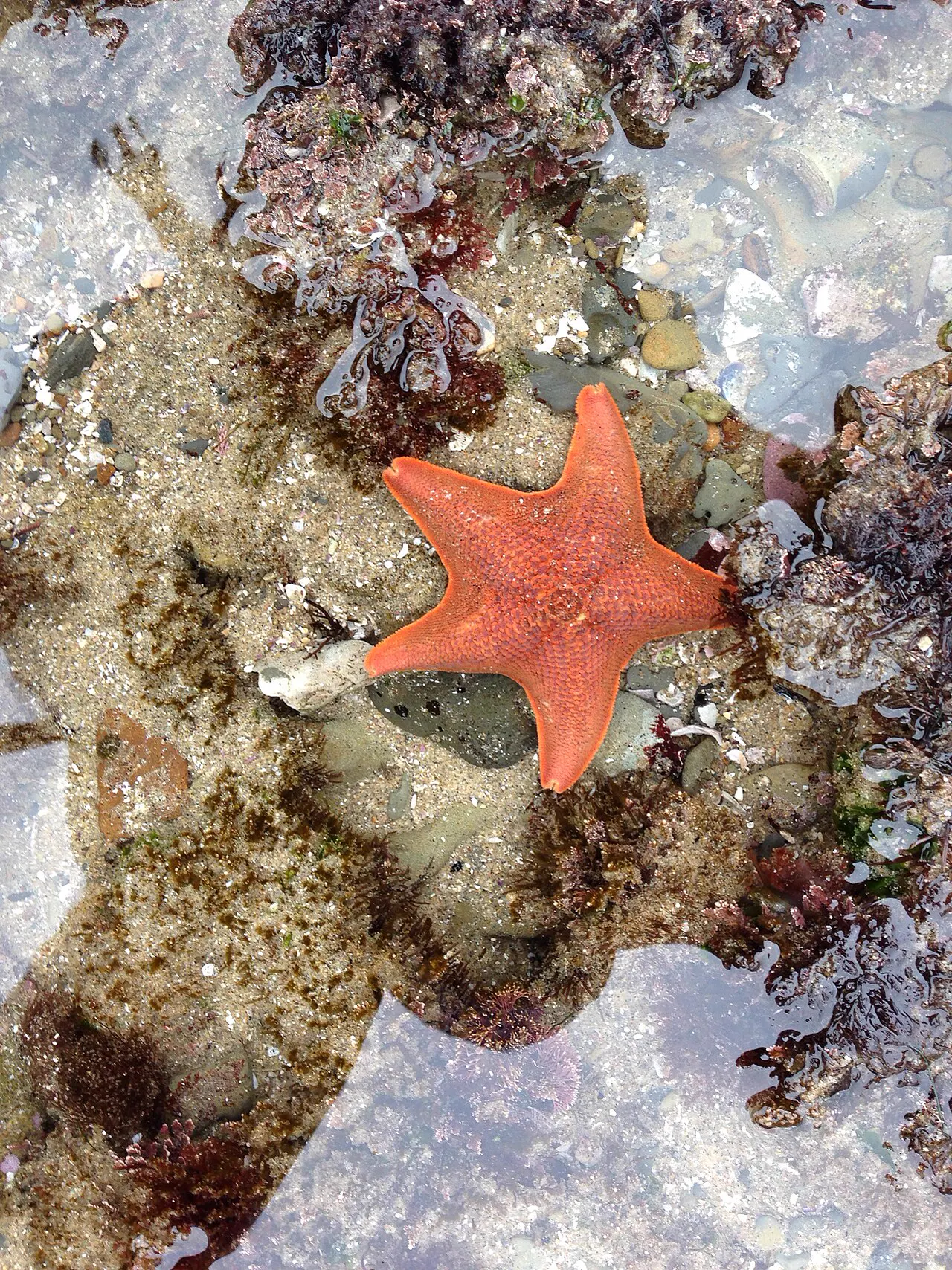
Sea stars are sturdy, flexible predators of the rocky intertidal zone. Some species, such as the ochre sea star, play an especially important role in the rocky shore community. A wasting disease killed huge numbers of sea stars along the Pacific coast of North America in 2013 and 2014.
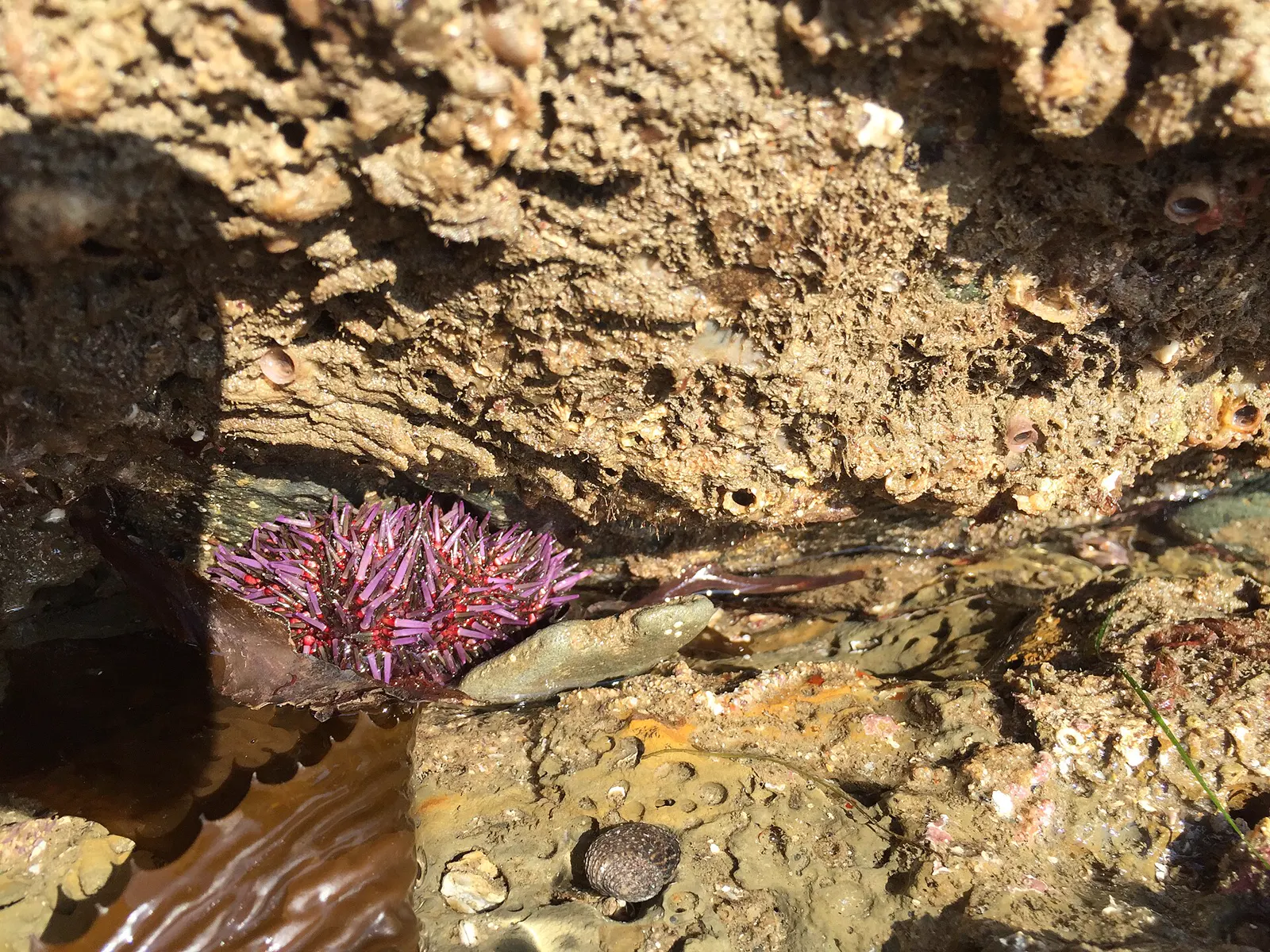
Sea urchins live in tide pools in the lower intertidal zone and are abundant below the tide line. Purple sea urchins graze on algae and help control how dense kelp forests become.
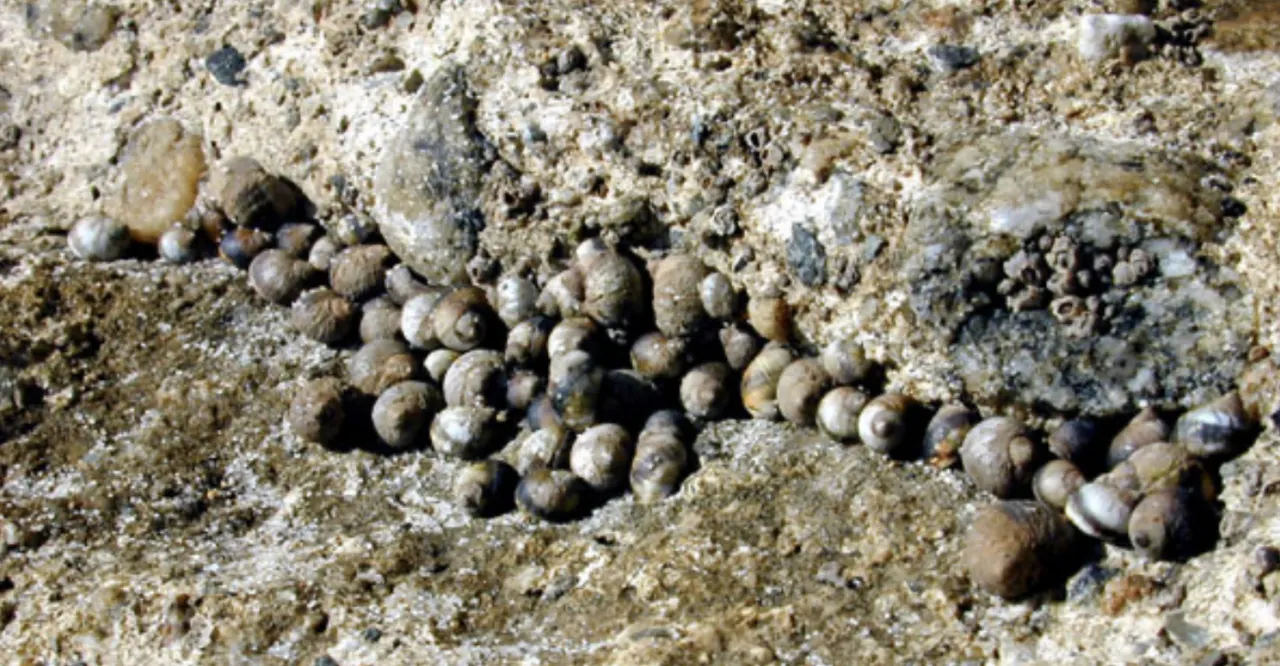
Snails are abundant in the intertidal zone. Common kinds include black and brown turban snails and periwinkles. Most graze on algae, scraping it off the rock with a rough, tongue-like radula.
Tidepool fish (Atlantic coast)
In Maine's rocky tide pools, two sculpins, the grubby and the shorthorn sculpin, are present nearly every month of the year, and they're the only fish found there in winter. From late autumn to early spring, when other fish thin out or leave, these two sculpins dominate the tidepool fish.
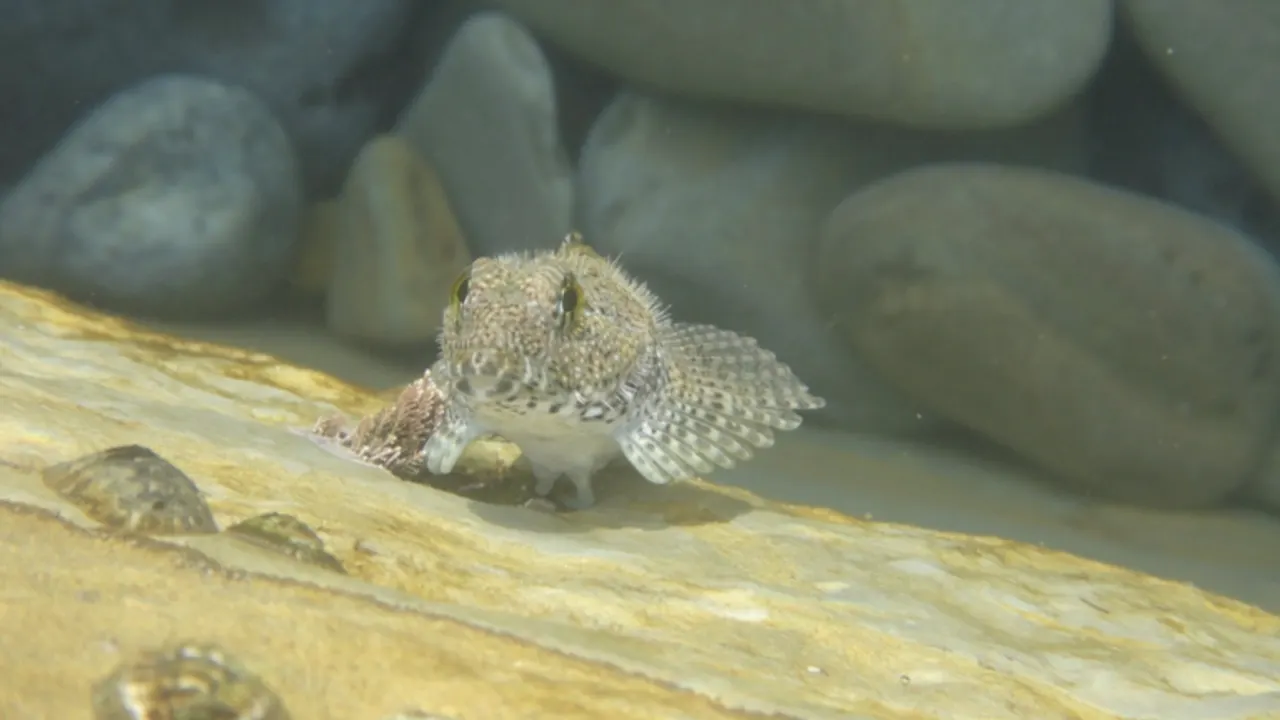
When the tide goes out, small fish are among the animals left behind in isolated tidepools. Many fish feed in the intertidal zone at high tide, but most leave as the tide ebbs. A few kinds stay behind, hiding in tidepools under rocks or in mussel beds.
Also seen from shore
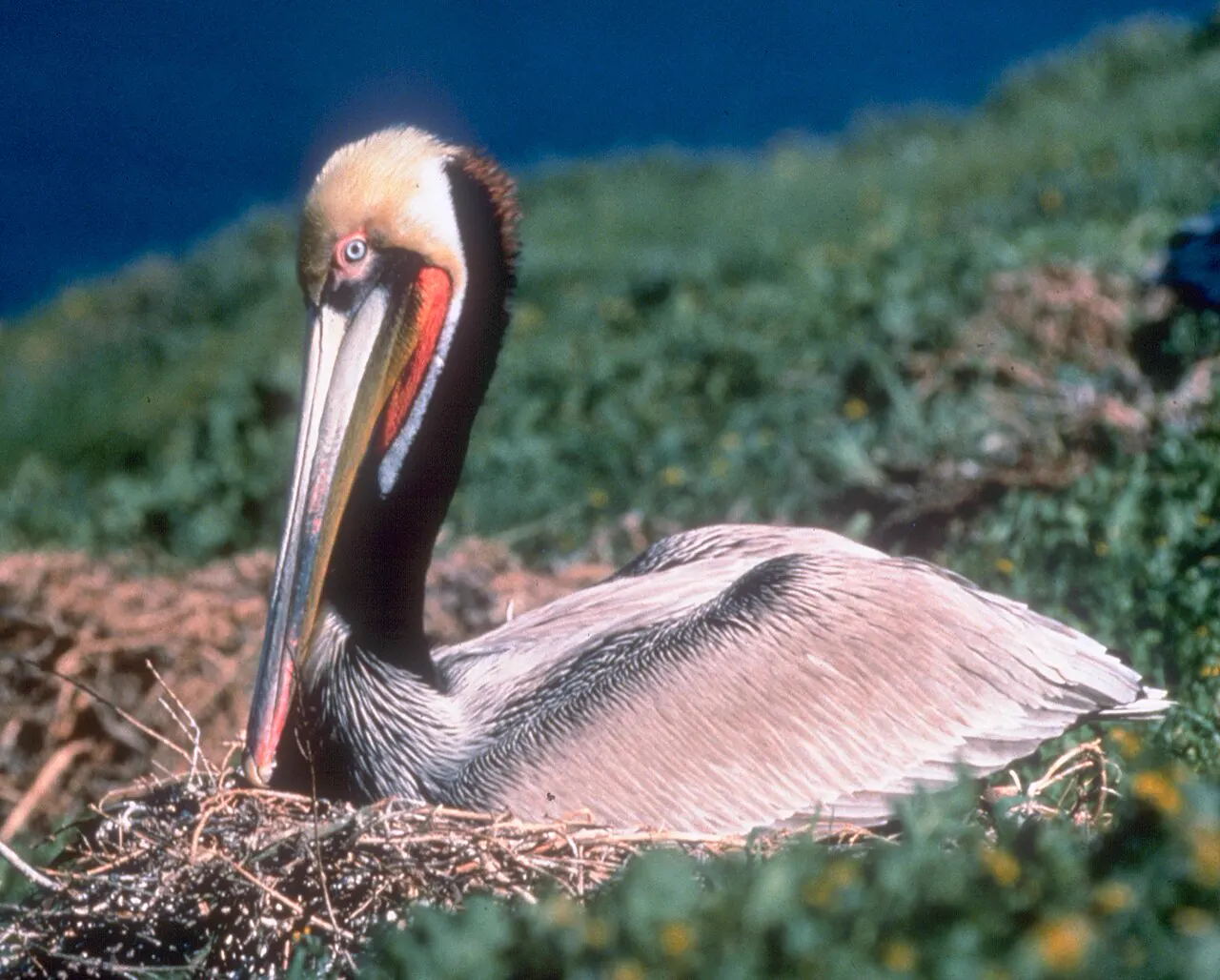
Pelecanus occidentalis
The brown pelican is a large seabird that lives year-round along the Pacific coast. It is the only pelican that catches fish by diving into the water from the air. It was listed as endangered in 1970 and removed from the federal list in 2009 after it recovered.
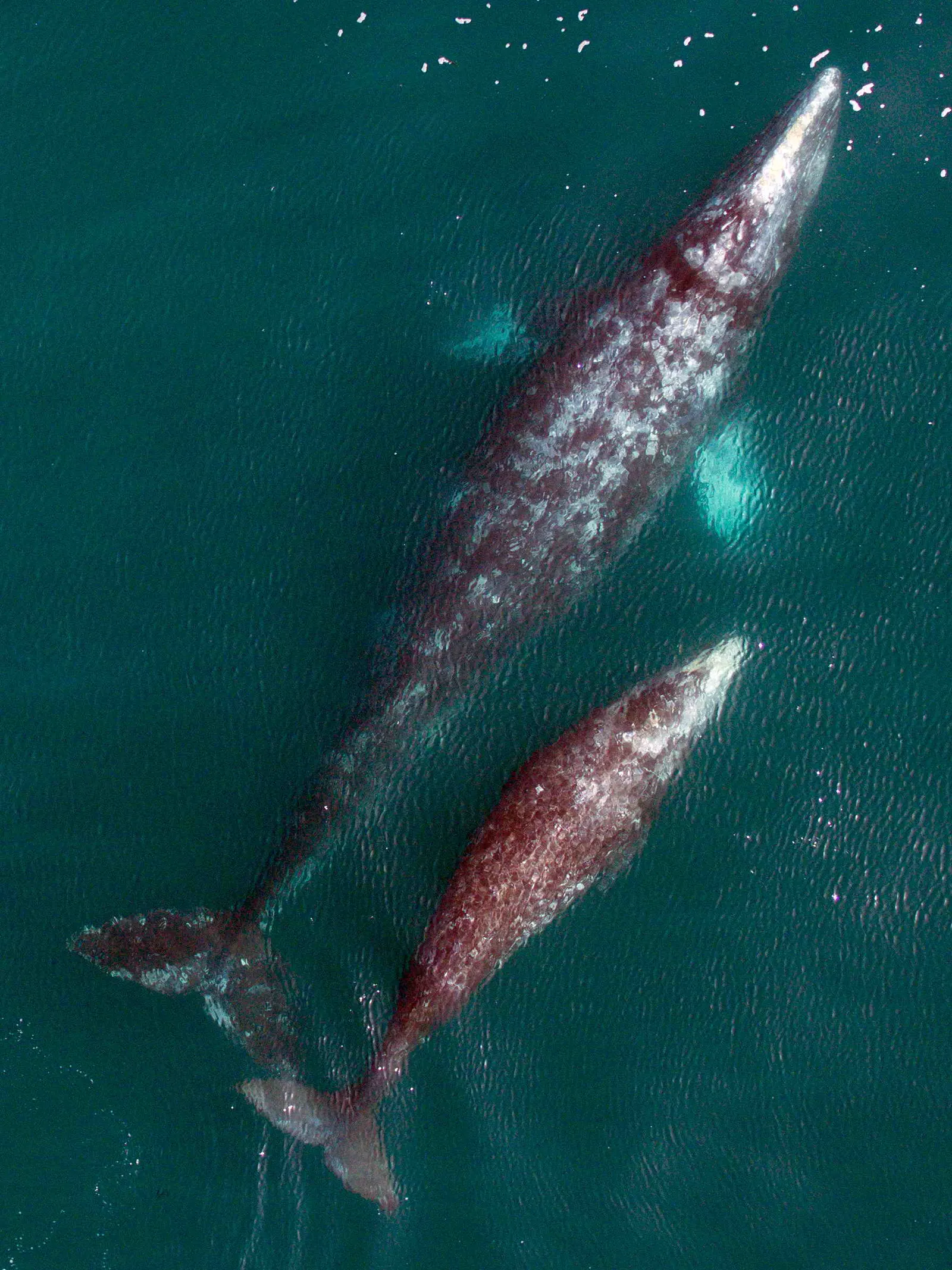
Eschrichtius robustus
Gray whales make one of the longest yearly migrations of any mammal, about 10,000 miles round trip. They migrate from Alaska to the lagoons of Baja California, Mexico, where they give birth and mate. At Cabrillo National Monument, whale-watching season runs from late December to mid-March.
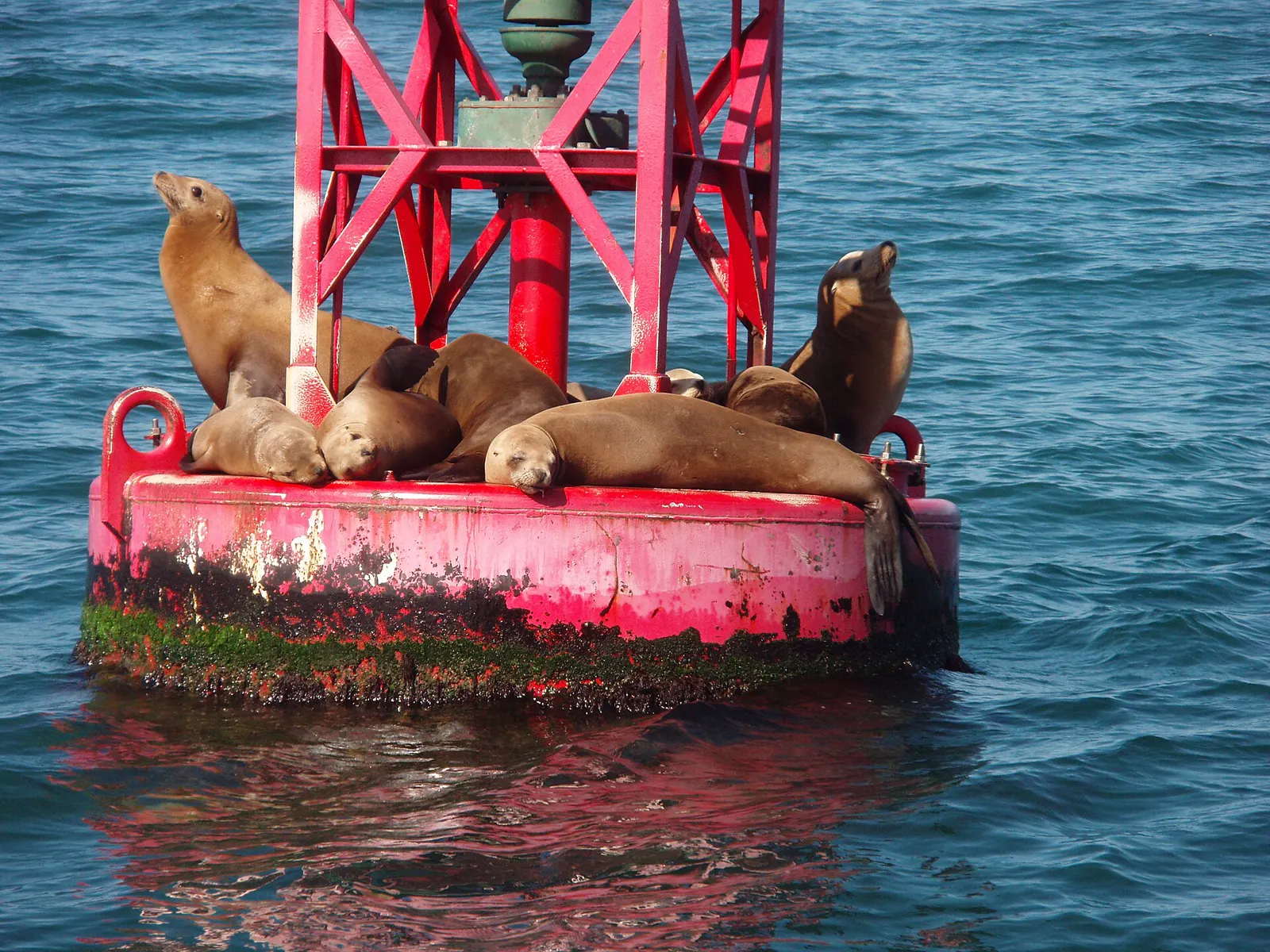
The California sea lion is an "eared seal" native to the West Coast of North America. They rest on beaches, docks, buoys and jetties, and are loud, with a call like a barking dog. Like all marine mammals, they are protected by federal law.