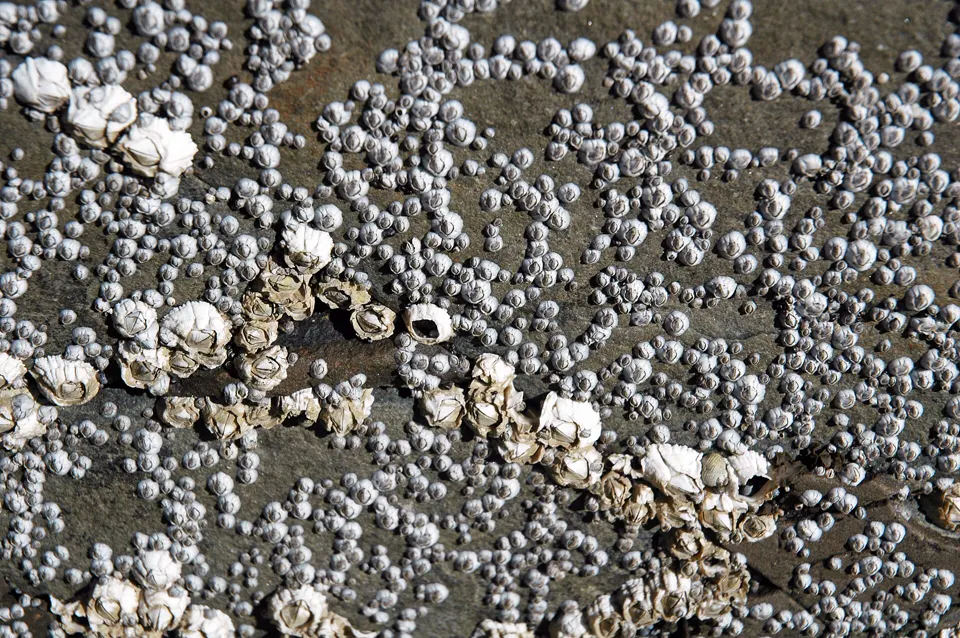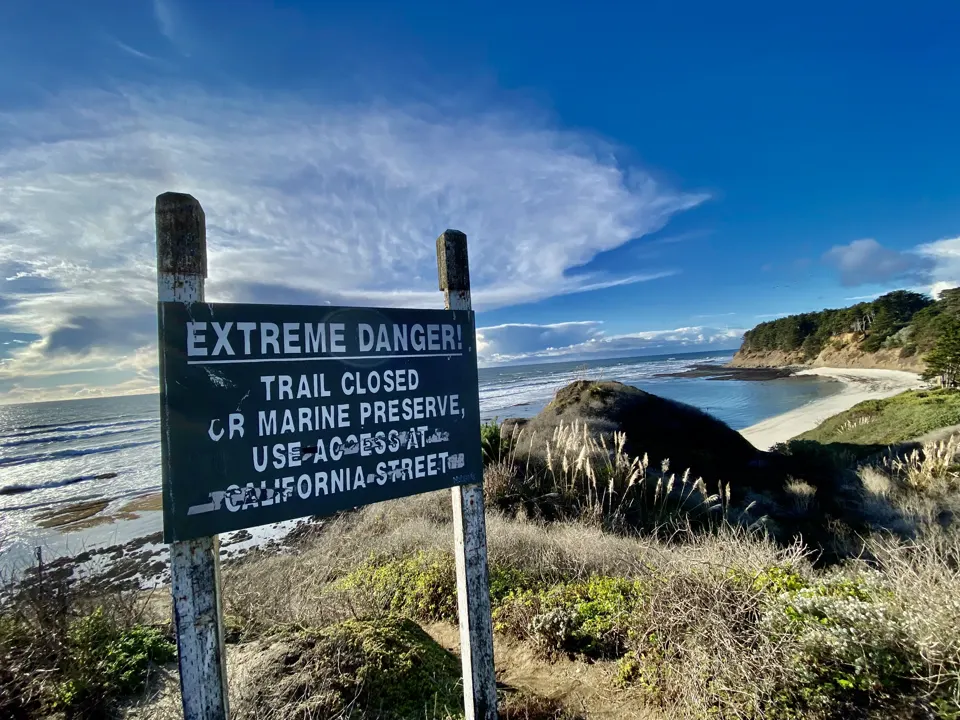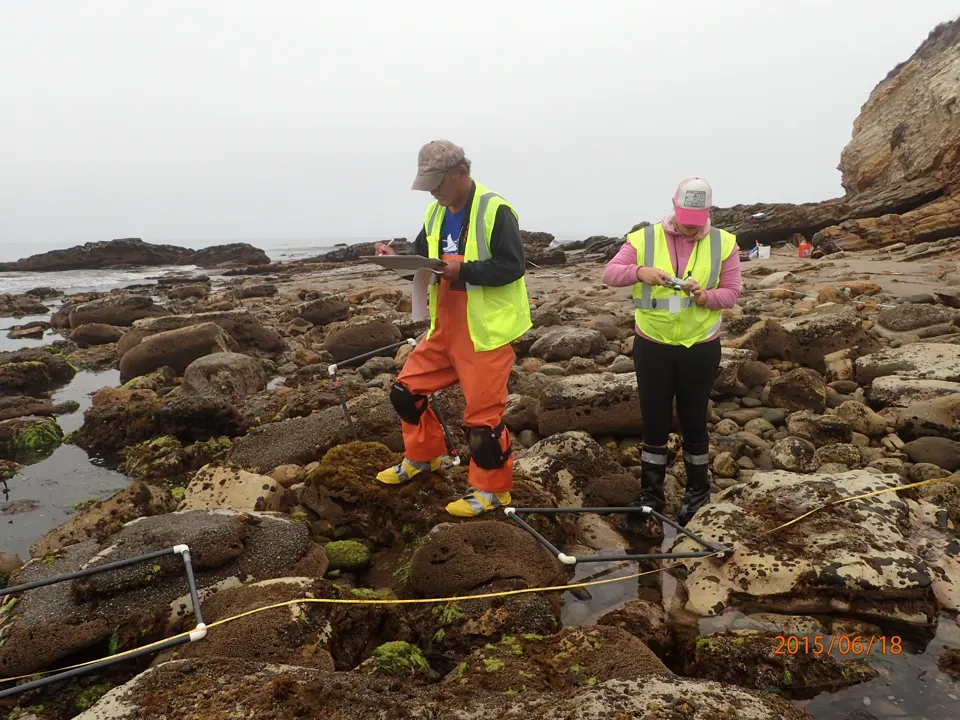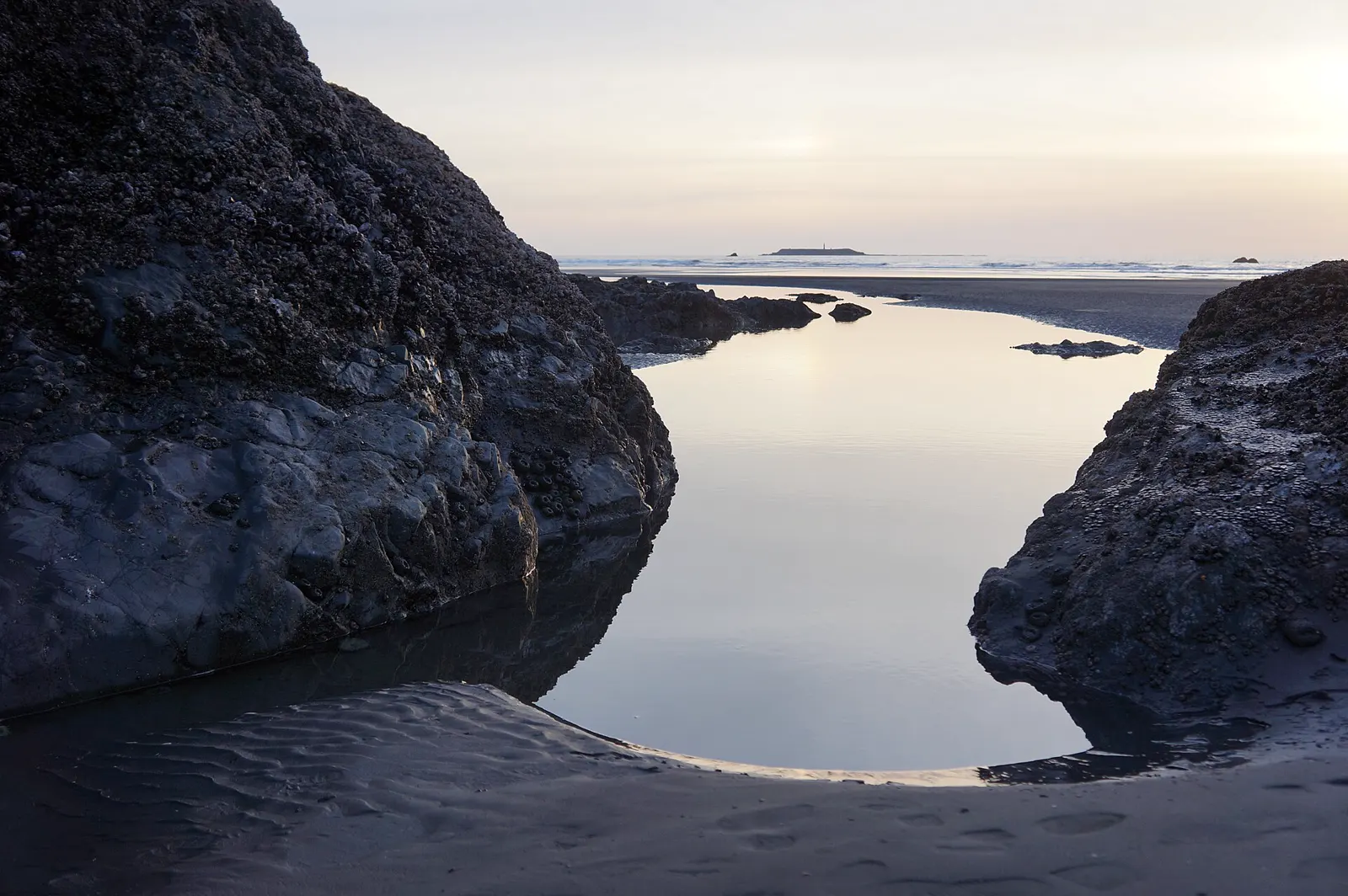
Every spot dated
You see when each page was last checked.
Sources linked
Rules come from the park or agency, with links.
NOAA tide predictions
The best daylight lows for each spot. Not for navigation.
Safety first
Each agency's own safety advice on every page.
Featured spots
Every spot here has been checked against official sources.
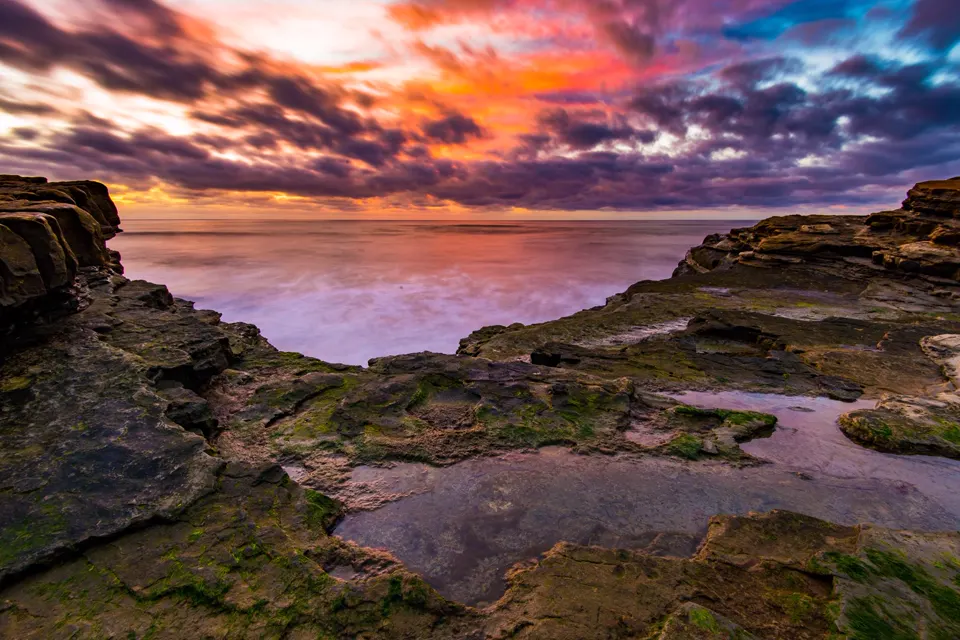
Point Loma, San Diego, California
Cabrillo National Monument
Next good low: Sat 21 Nov 2026, 1:00 PM (0.23 ft)
Official · checked 17 November 2026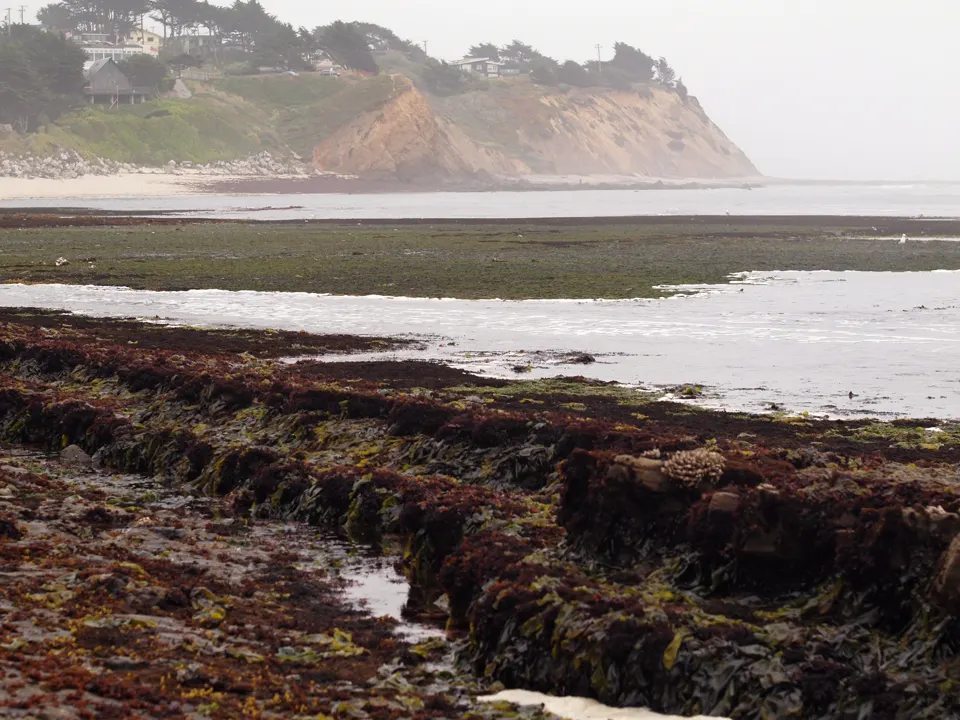
Moss Beach, San Mateo County, California
Fitzgerald Marine Reserve
Next good low: Sun 22 Nov 2026, 3:01 PM (−0.70 ft)
Official · checked 18 November 2026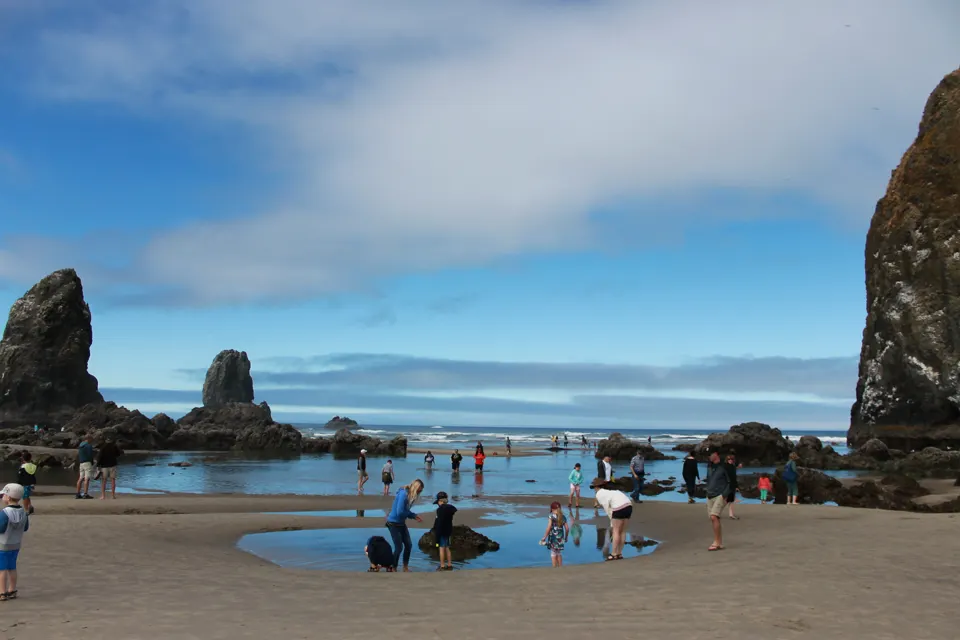
Cannon Beach, Clatsop County, Oregon
Haystack Rock
Next good low: Sat 21 Nov 2026, 3:48 PM (0.38 ft)
Official · checked 18 November 2026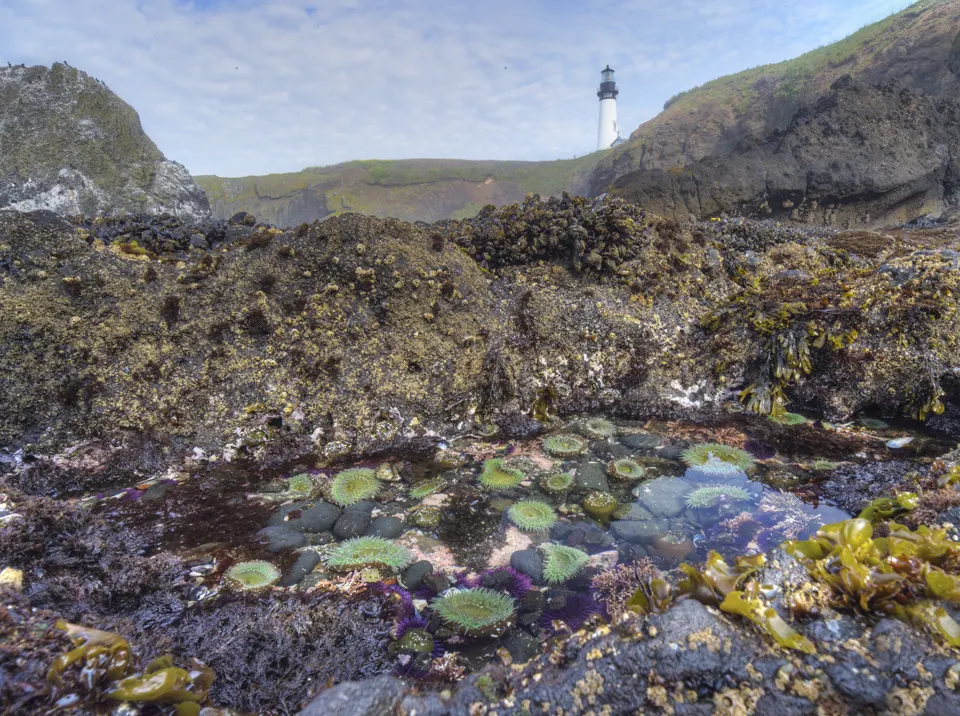
Yaquina Head Outstanding Natural Area, north of Newport, Lincoln County, Oregon
Yaquina Head
Next good low: Sun 22 Nov 2026, 4:34 PM (−0.54 ft)
Official · checked 18 November 2026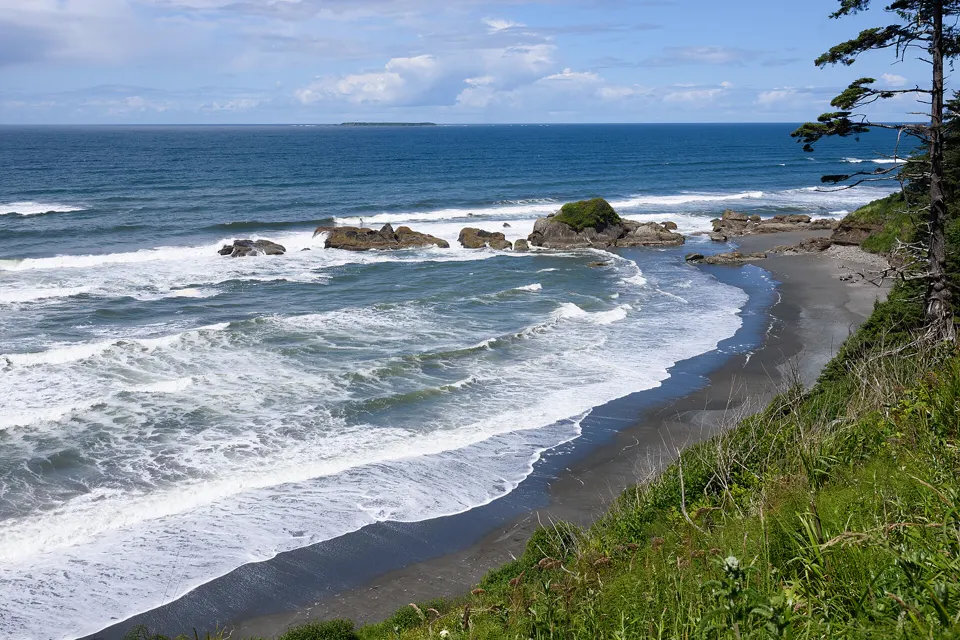
Kalaloch, Olympic National Park, Washington
Kalaloch Beach 4
Next good low: Sat 21 Nov 2026, 3:50 PM (0.61 ft)
Official · checked 18 November 2026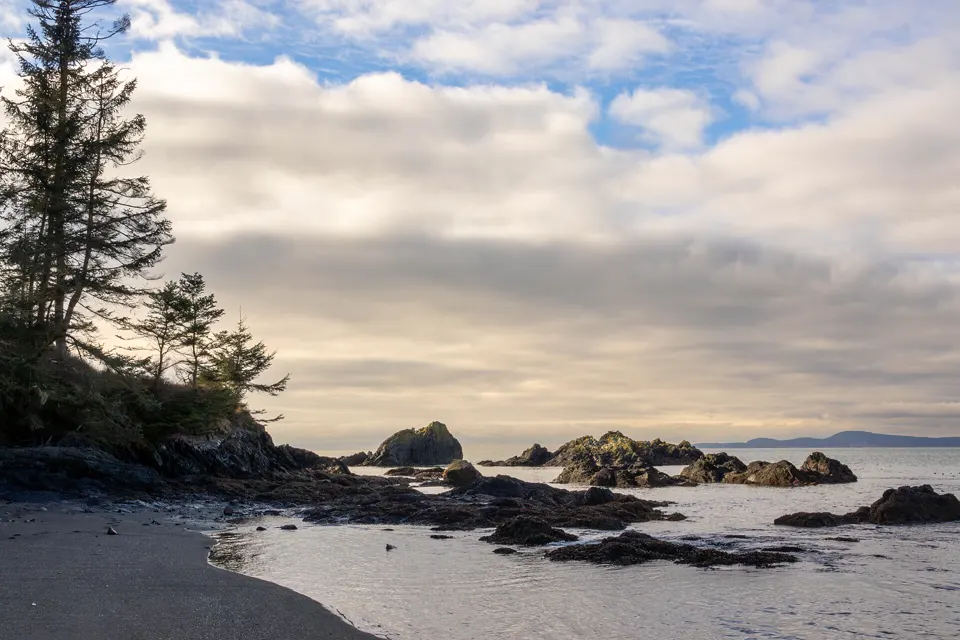
Fidalgo Island, Deception Pass State Park, Washington
Rosario Beach
Next good low: Sun 14 Feb 2027, 4:07 PM (−0.17 ft)
Official · checked 18 November 2026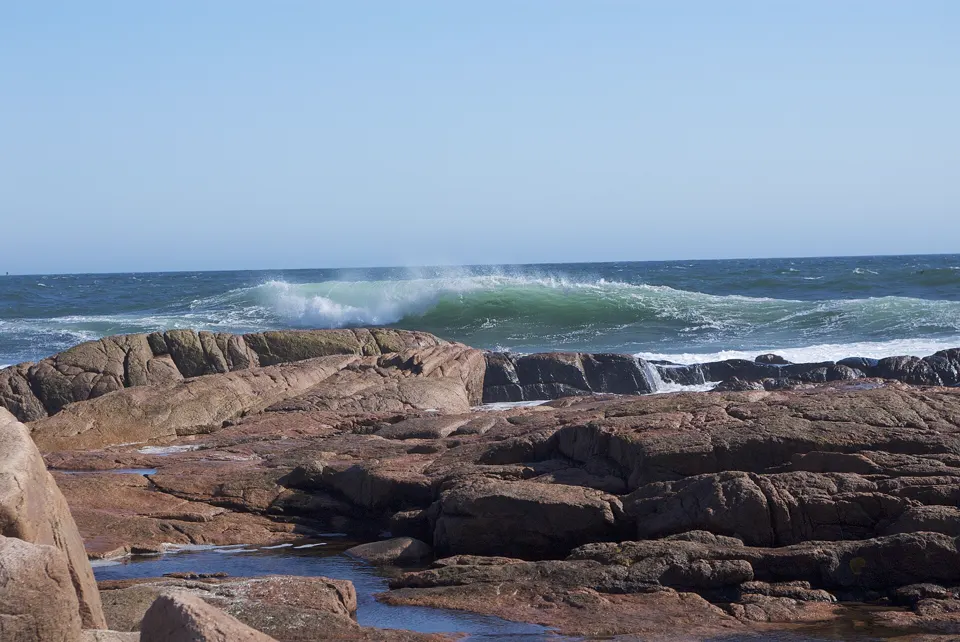
Southwest Harbor area, Acadia National Park, Maine
Ship Harbor
Next good low: Sun 22 Nov 2026, 2:00 PM (−0.25 ft)
Official · checked 18 November 2026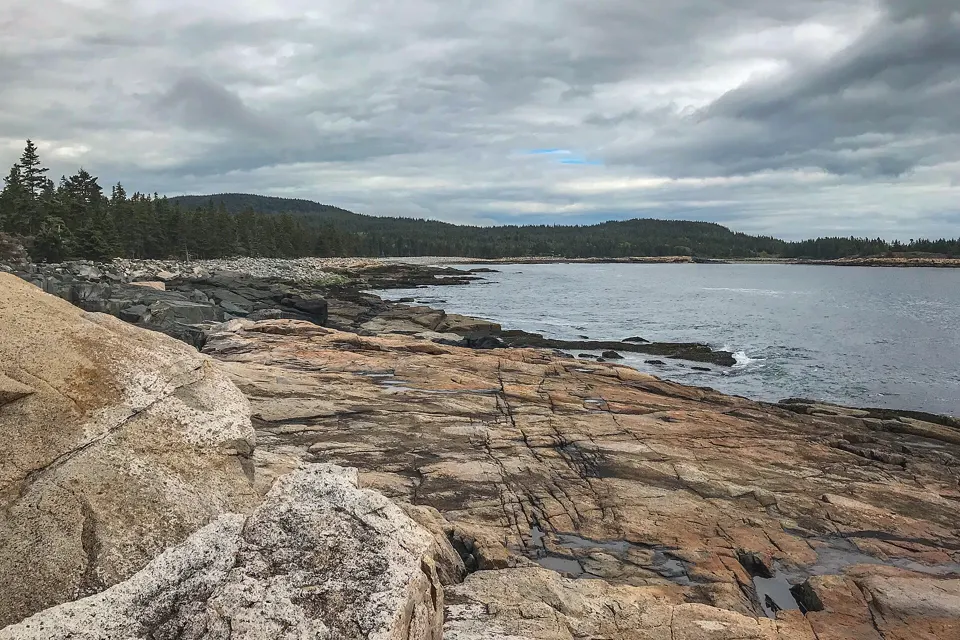
Winter Harbor, Acadia National Park, Maine
Schoodic Peninsula
Next good low: Sun 22 Nov 2026, 2:37 PM (−0.25 ft)
Official · checked 18 November 2026Best low tides coming up
The lowest daylight low tides in the next two weeks, spread across the coasts. NOAA predictions, local time at each tide station. Not for navigation.4
- Sun 22 Nov4:32 PM−0.58 ftNorth Oregon coast, Oregon
- Sun 22 Nov4:34 PM−0.54 ftLincoln City to Newport, Oregon
- Sun 22 Nov4:34 PM−0.47 ftOlympic Coast, Washington
- Mon 23 Nov3:16 PM−0.88 ftAcadia, Maine
- Tue 24 Nov4:31 PM−1.64 ftSan Mateo coast, California
- Wed 25 Nov4:04 PM−1.53 ftLos Angeles coast, California
Heights are in feet from each station's own MLLW datum, so a lower number means more shore uncovered at that spot. Each region's page has its full list.
Tide pools, explained
What a tide pool is
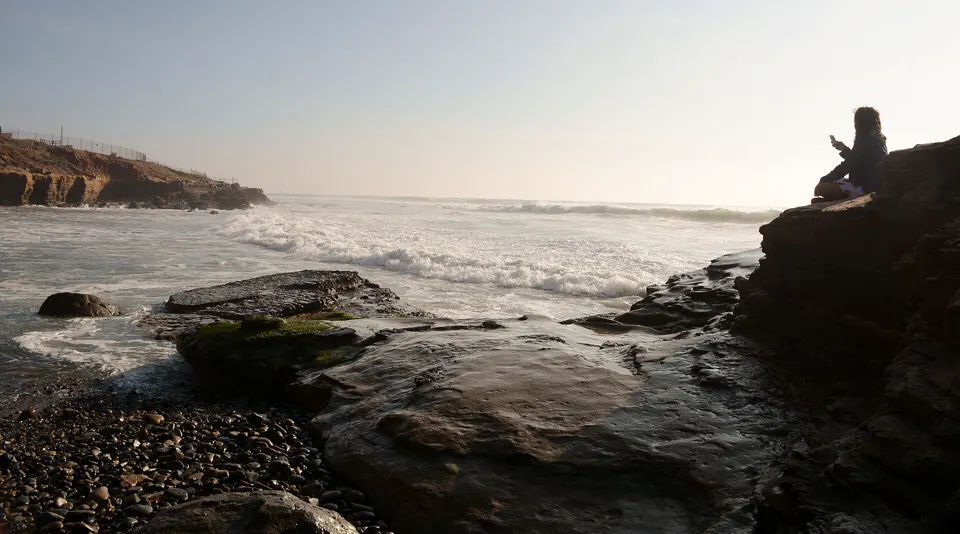
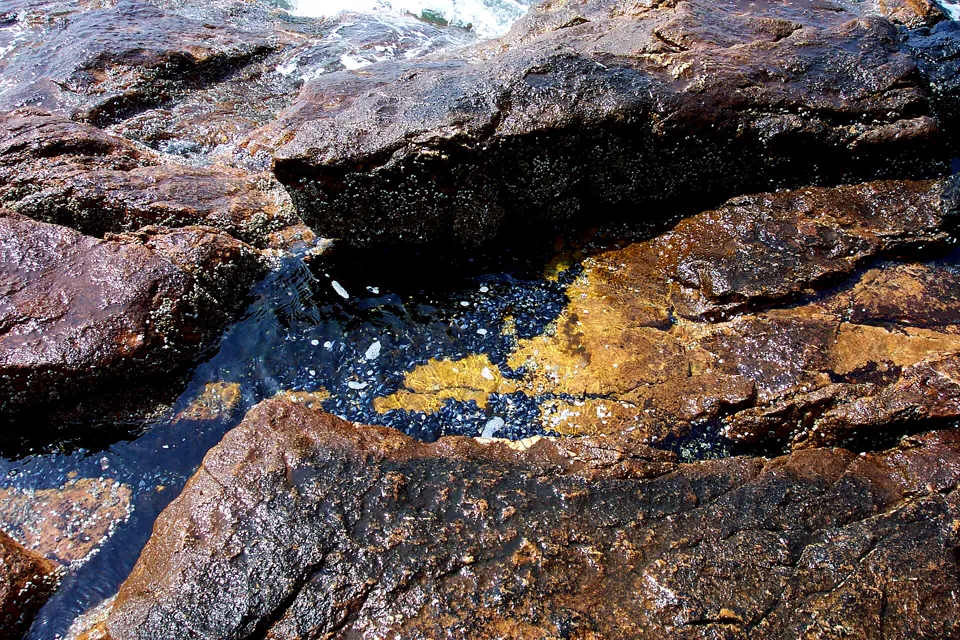
- A tide pool is an isolated pocket of seawater found in the ocean's intertidal zone.1
- The intertidal zone is the area where the ocean meets the land between high and low tides.2
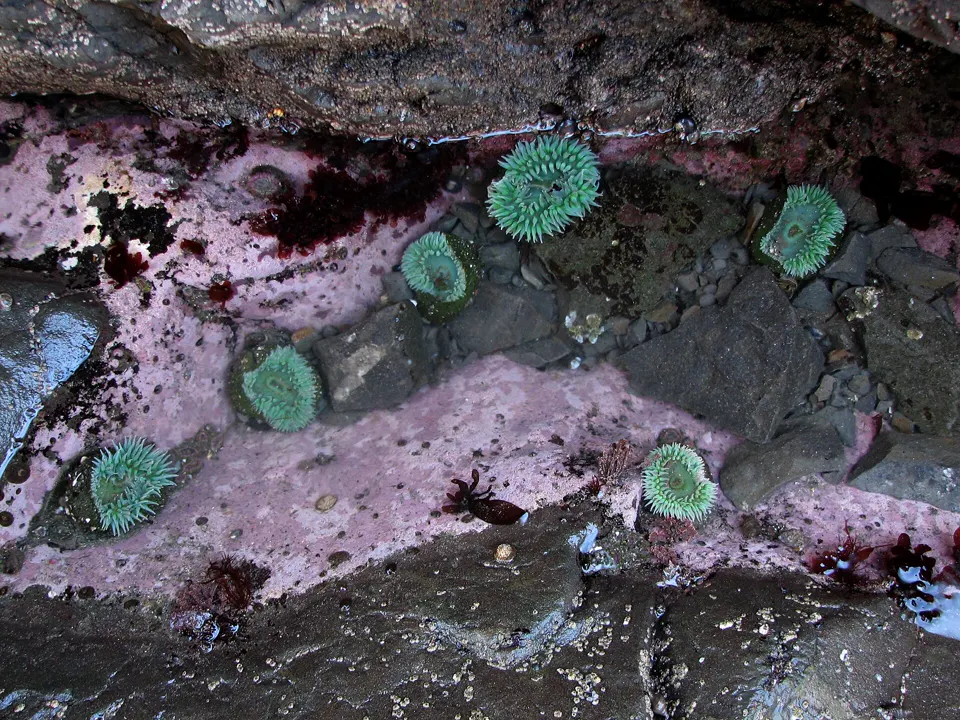
- Most pools range from a few inches to a few feet deep and a few feet across, yet they're packed with sturdy sea life: snails, barnacles, mussels, anemones, urchins, sea stars, crustaceans, seaweed and small fish.1
How tide pools form
- Tide pools form in depressions along rocky shores, filled with seawater that gets trapped as the tide goes out.1
- At low tide, the animals and plants in a pool endure hours exposed to the sun, low oxygen, rising water temperature, and predators such as wading birds.1
- At high tide they're bathed in fresh seawater, but must endure crashing waves and foraging fish.1
- Every wave at every high tide brings fresh nutrients and plankton that feed the pool.1
- The low intertidal zone is almost always underwater except during the lowest spring tides, and life is more abundant there.2
How to go tidepooling
- Be at the tide pools at least an hour before low tide, so you have plenty of time to explore safely while the water is going out.3
- Step on bare rock, which is less slippery than rock covered in algae and other sensitive sea life.1
- If you peek under a rock, put it back where and as you found it. Leave the animals and plants alone.1
- Don't collect tide pool animals or plants. In many areas it's illegal.1
- Bring a bag to pick up any plastic, paper, glass or metal trash on the beach.1
Before you go, read the agencies' advice in our tide pool safety guide.
Where this comes from: see our general sources.
Where we cover
12 regions on the Pacific and Atlantic coasts. Point at or tap a dot to see the region.
One dot per region, at or beside its NOAA tide station.5 Map drawn by us from U.S. Census Bureau boundaries (public domain), via us-atlas (ISC licence).
Browse by state
California
Los Angeles coast · Monterey Bay · North County San Diego · Orange County · San Diego · San Luis Obispo coast · San Mateo coast
24 tide pool spots
Animals you might see
Tap an animal for how to spot it and watch without harming it.
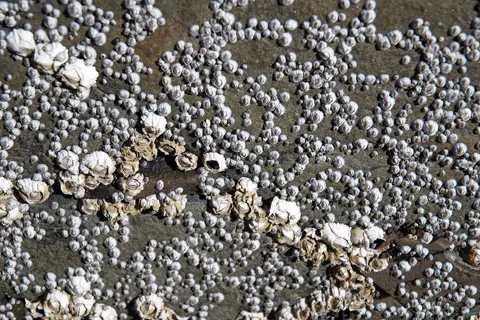 Acorn barnacles
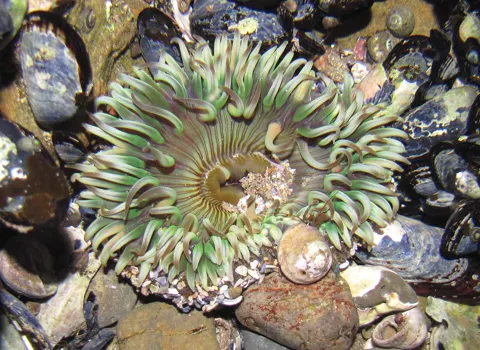 Aggregating anemone
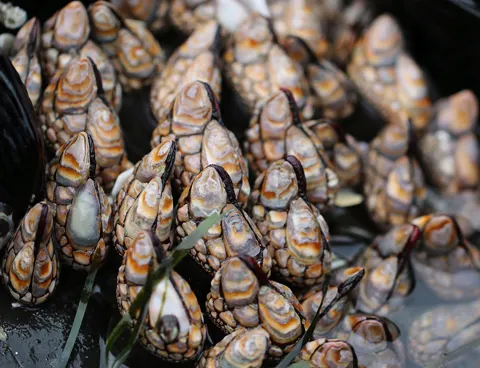 Barnacles
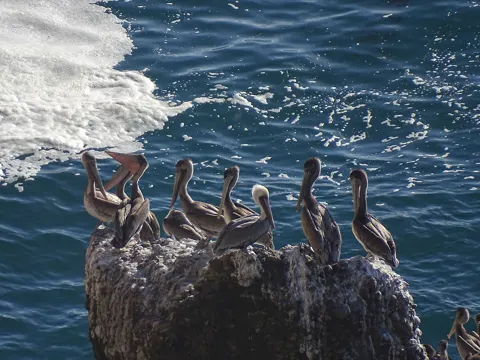 Brown pelican
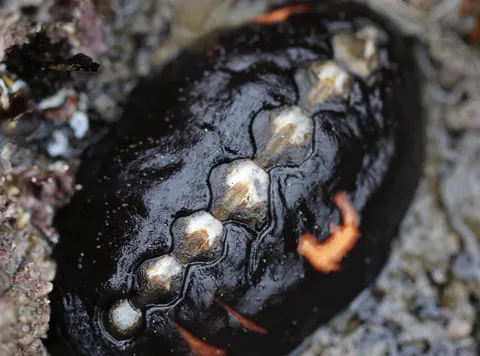 Chitons
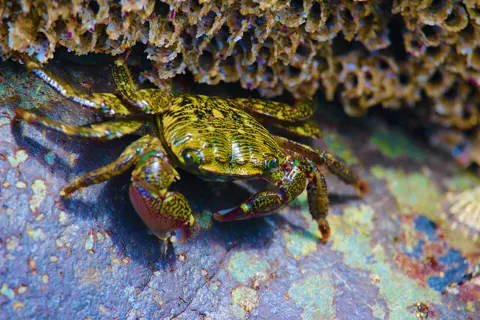 Shore crabs
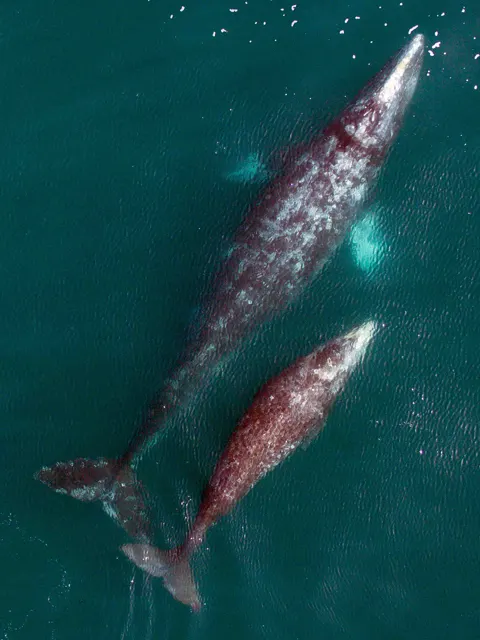 Gray whale
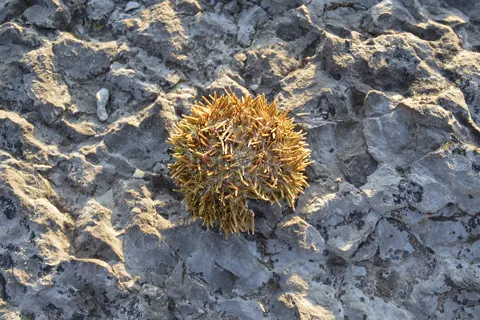 Green sea urchin
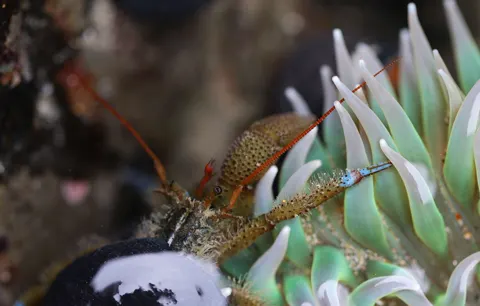 Hermit crabs
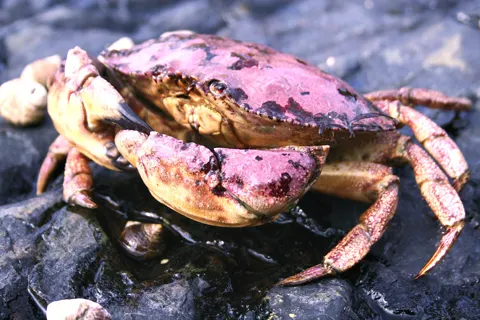 Jonah crab
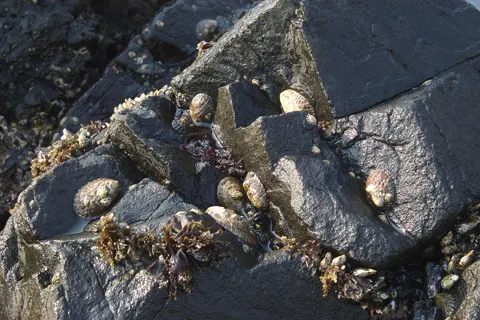 Limpets
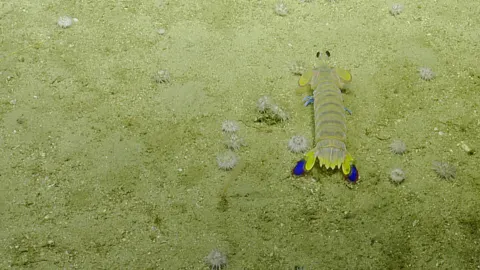 Mantis shrimp
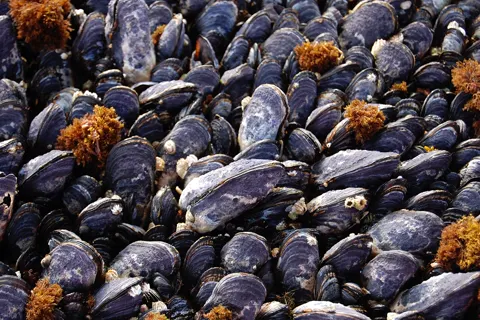 Mussels
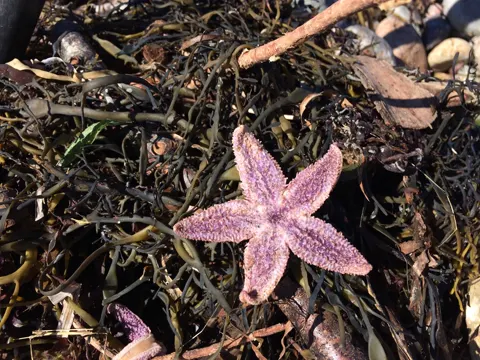 Northern sea star
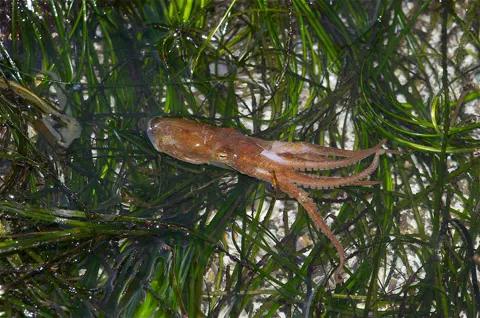 Octopuses
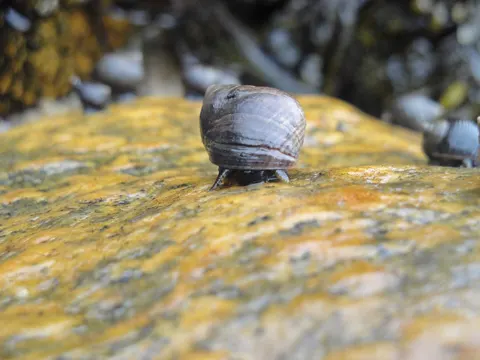 Sea snails and periwinkles
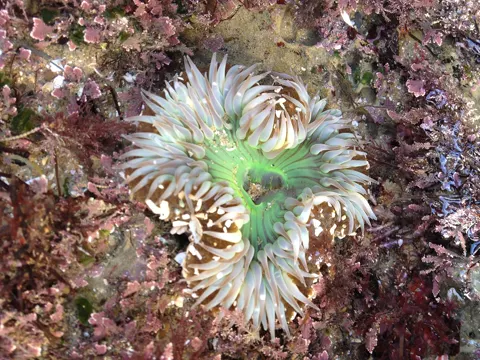 Sea anemones
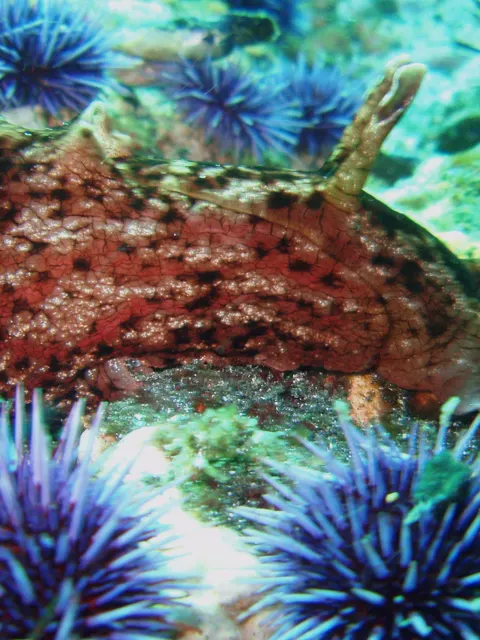 Sea hares
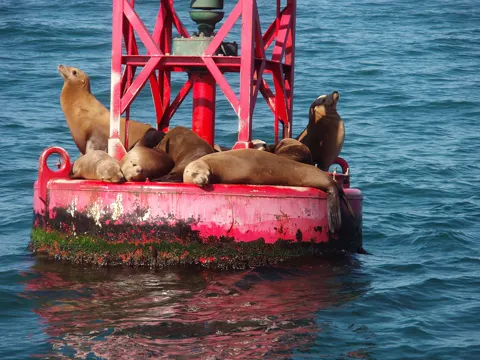 Sea lions
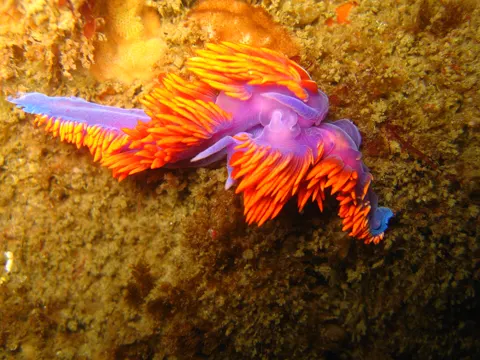 Sea slugs and nudibranchs
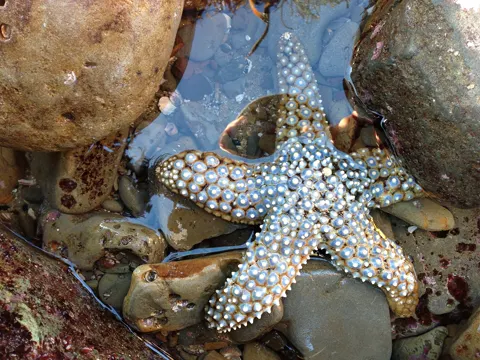 Sea stars
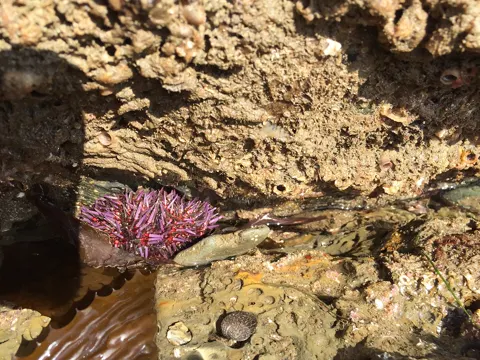 Sea urchins
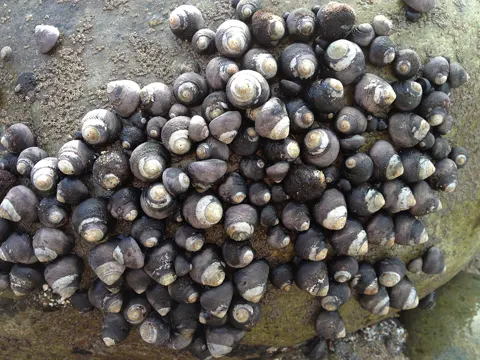 Tidepool snails
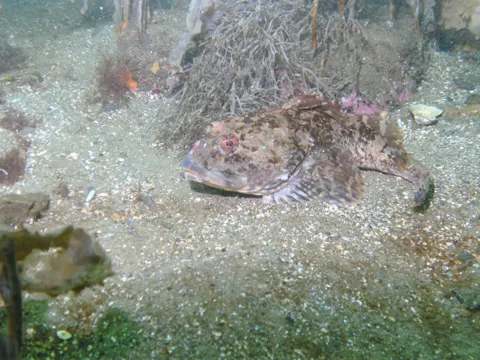 Tidepool fish (Atlantic coast)
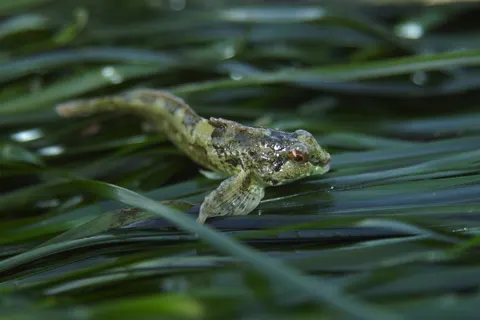 Tidepool fish